

As aviation enthusiasts and chroniclers of Philippine skies, we at AvGeekPH have a front-row view of how the nation’s carriers are positioning themselves for 2026 and beyond. The local aviation landscape — featuring AirAsia Philippines, Cebu Pacific, Philippine Airlines (PAL), Royal Air Philippines, and Sunlight Air — is not just recovering from past disruptions; it’s innovating, expanding, and redefining connectivity for travelers, businesses, and communities alike. Below is our in‑depth look at what each airline brings to the runway as we approach 2026.
AirAsia Philippines: Strategic Growth and Renewed Network Connectivity
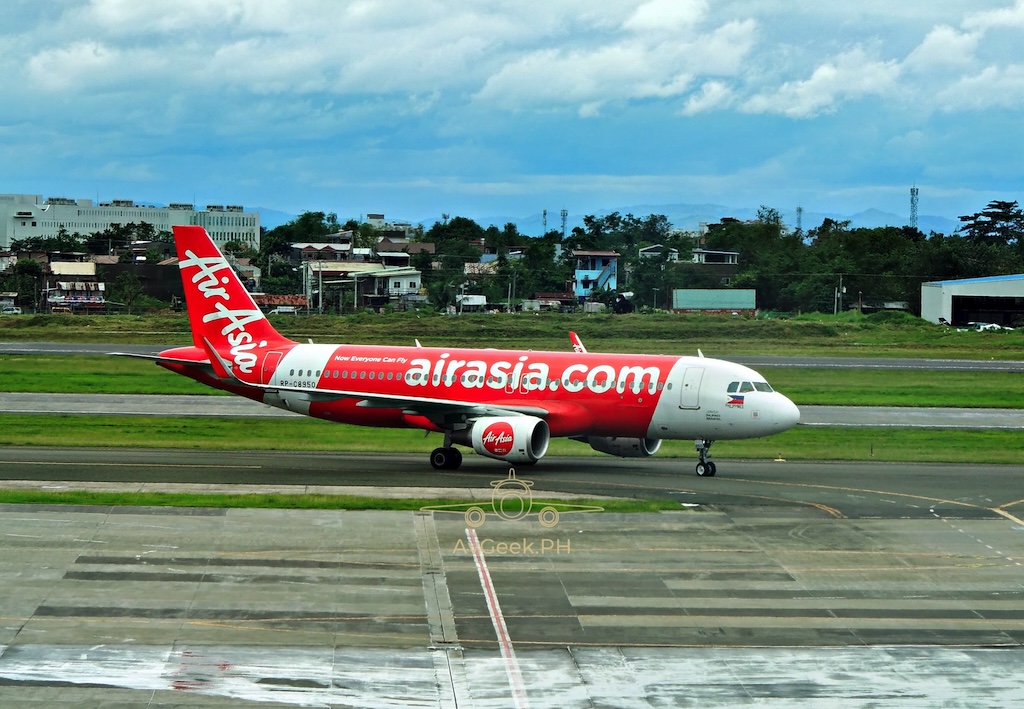
After a period of contraction, AirAsia Philippines is clearly revving its engines for expansion. A key development is the reopening of its hub in Cebu, launching multiple domestic and international routes from Mactan–Cebu International Airport (CEB) beginning 15 November 2025. These include enhanced domestic links like Cebu–Davao, Cebu–Iloilo, and Cebu–Caticlan, as well as international services to Kuala Lumpur and Macau using Airbus A320 aircraft, strengthening the airline’s ASEAN ties.
What makes this especially promising for 2026 is AirAsia’s broader strategy to scale Cebu as a secondary global gateway, connecting Visayas and Mindanao markets to international networks while keeping low-cost flights competitive. With plans hinted at for further international expansions from Cebu and continued fleet deployment, AirAsia Philippines is positioning itself as a key link between local travelers and global destinations.
TAKEAWAY: Expect AirAsia Philippines to roll out more routes and consistent value fares in 2026 — especially from Cebu — making travel accessibly robust across domestic and ASEAN destinations.
Cebu Pacific: Fleet Expansion and Network Dominance

Cebu Pacific Air (CEB) continues to solidify its position as the Philippines’ largest airline in terms of passenger share and network breadth. With a strong foothold in both domestic and international travel, Cebu Pacific is widening its route network and fleet to meet growing demand.
Cebu Pacific will add new aircraft to support both short‑haul and longer flights in 2026. While official delivery numbers may shift as orders roll in, the airline’s strategy reflects a commitment to sustaining lead market share and opening new high‑demand routes — including international expansions such as Riyadh, Saudi Arabia, tapping into the vast OFW travel segment. In addition, CEB has pursued innovative leasing partnerships to supplement capacity during peak seasons, such as its holiday arrangements with Bulgaria Air to meet domestic travel demand.
AirSWIFT, the boutique airline based in El Nido, Palawan acquired by Cebu Pacific Air, has carved a strong niche in Philippine aviation by providing direct, high-frequency flights connecting El Nido with Manila, Cebu, and Clark, catering primarily to tourists seeking convenient access to the country’s premier island destinations. Operating a small but efficient fleet of ATR 72-600 turboprops, AirSWIFT emphasizes reliability, safety, and personalized service, making it a preferred choice for travelers visiting Palawan. Beyond its focus on leisure travel, the airline also contributes to local economic development by boosting tourism in remote areas, and with plans for fleet modernization and potential new routes, AirSWIFT is poised to strengthen its role as a boutique regional connector in the Philippine aviation market.
TAKEAWAY: Cebu Pacific is not just growing — it’s diversifying its operational strategies to maximize aircraft use, expand global reach, and solidify its dominance in the Philippine market in 2026.
Philippine Airlines & PAL Express: Flag Carrier Renaissance with A350‑1000 Arrival

Philippine Airlines (PAL) and PAL Express are navigating a renaissance phase, balancing legacy reputation with strategic modernization. A monumental milestone in this journey is the arrival of PAL’s first Airbus A350‑1000 aircraft, with deliveries continuing into 2026 and beyond.
The A350‑1000 is more than just another aircraft — it represents a major upgrade in long‑haul capability. Its ultra‑long range (up to 16,100 km) and modern efficiency open doors for nonstop services from Manila to key global hubs like New York, Toronto, and potentially even Europe, while also enhancing cabin comfort with dedicated Business, Premium Economy, and Economy classes. Beyond the A350‑1000, PAL is also refreshing its regional services with more A321neo jets starting delivery in 2026, which will support expanded short‑ and medium‑haul routes.
PAL’s network continues to grow across Asia, Oceania, and North America, while seasonal and increased frequencies to destinations like Australia, Japan, and the U.S. are already being implemented in late 2025 — trends expected to carry into 2026.
TAKEAWAY: For PAL, 2026 marks the beginning of a transformative era: a modernized fleet anchored by the A350‑1000 and a renewed push into true intercontinental long‑haul service.
Royal Air Philippines: Tailored Connectivity from Clark
Royal Air Philippines, which transitioned from air charter beginnings into scheduled commercial passenger operations in 2018 and had been serving niche domestic and international routes from Clark and Caticlan, is set to cease all commercial passenger flight services effective early January 2026, with its last available booked flights scheduled through 3 January 2026 and operations slated to stop by 4 January 2026 amid financial and operational pressures including rising costs and weak tourism demand, marking the end of its role as a boutique carrier in the Philippine aviation market.
TAKEAWAY: With the cessation of its commercial passenger flights, Royal Air will no longer contribute directly to domestic and regional connectivity, marking the end of its role in serving niche markets, though its legacy highlights the importance of supplemental carriers in maintaining a diversified Philippine aviation landscape.
Sunlight Air: Boutique Carrier with Domestic Expansion and International Potential

Sunlight Air has emerged as an exciting boutique carrier, with a strong focus on key island destinations and tourism circuits. The airline recently expanded its fleet with an ATR 72‑600 turboprop, joining its ATR 72‑500 models, enhancing fuel‑efficient operations on short regional routes.
Sunlight Air operates flights linking Clark, Cebu, Manila, and destinations like Coron, Siargao, Boracay, and Siquijor, increasing access to emerging leisure hotspots. Its growing schedule — such as frequent Clark‑Coron links — highlights the rising demand for regional connectivity and tourism growth.
Looking toward 2026 and beyond, Sunlight Air is eyeing narrow‑body jets around 2027 to support potential international flights and further domestic expansion.
TAKEAWAY: Sunlight Air’s boutique approach caters to niche leisure markets while setting the stage for future international service as its fleet evolves.
AvGeekPH Final Thoughts: A Vibrant Philippine Aviation Landscape in 2026
The Philippine aviation sector is entering an exciting growth phase as we near 2026. From AirAsia’s hub diversification to Cebu Pacific’s expansive dominance with AirSWIFT in tow, PAL’s long‑haul renaissance with the A350‑1000 plus the sustained domestic network of PAL Express, and Sunlight Air’s boutique rise, each carrier brings distinct strategies that collectively uplift national and international travel.
For travelers, this means more destinations, affordable options, and improved service quality. For the industry, it signifies healthy competition and strategic innovation — a foundation that positions the Philippines not just as a market to serve, but as a vibrant aviation hub in Southeast Asia.
The year 2026 is shaping up to be a landmark year for Philippine skies — and AvGeekPH will be tracking every takeoff and landing along the way.