
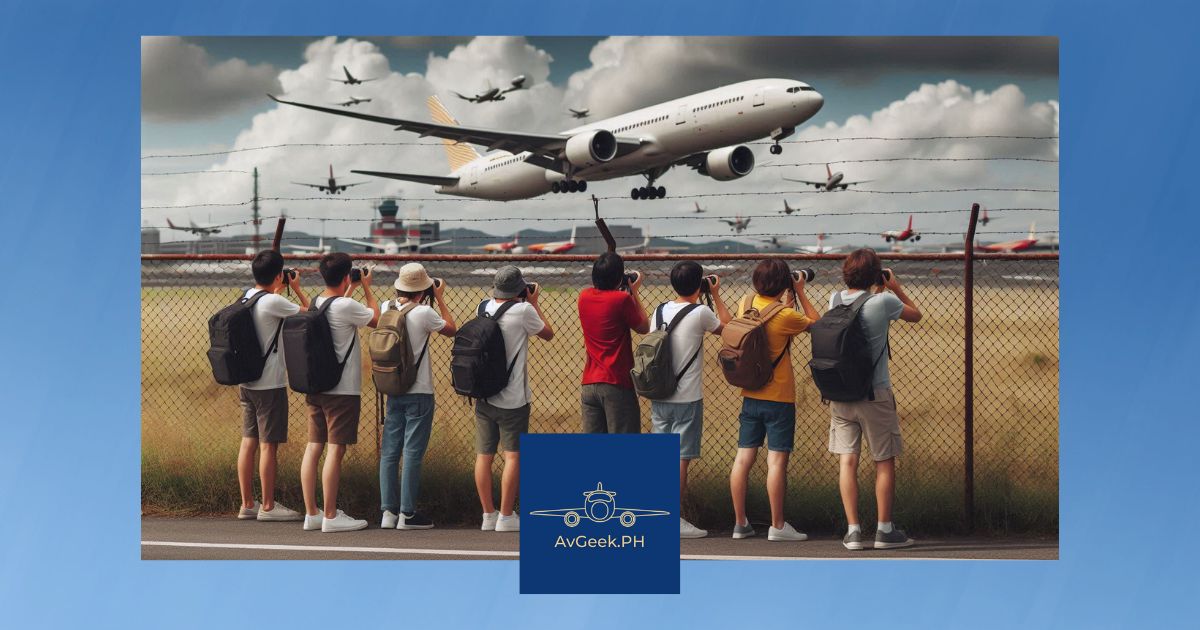
Planespotting is one of those hobbies that looks deceptively simple from the outside. To the uninitiated, it’s just people standing near an airport fence, staring at the sky, phones or cameras pointed upward. To those who actually do it, planespotting is a mix of passion, patience, technical curiosity, and community. At its core, planespotting is the intentional act of observing, identifying, documenting, and appreciating aircraft — whether that’s through photography, video, logging tail numbers, or simply watching a rare aircraft touch down. It’s about the plane first, always.
Traditionally, planespotting meant film cameras, binoculars, notebooks, and long hours near runways. Over time, it evolved. Digital cameras replaced film, flight-tracking apps replaced paper schedules, and social media replaced private logbooks. Today, planespotting can mean shooting 4K video of an Airbus A350 flare, live-streaming an inaugural flight, or posting a perfectly timed landing clip on Instagram. The tools changed, but the intent didn’t: the aircraft is the subject.
This is where the modern debate comes in — especially in the age of TikTok and Reels. If you’re recording yourself while a plane is landing, is that planespotting? The honest answer is: sometimes yes, sometimes absolutely not. The deciding factor isn’t the camera angle or whether your face is in the frame. It is the intent.
If you’re filming yourself because a specific aircraft is landing — maybe it’s a widebody, a rare livery, a first visit, or you’re reacting to the sound, approach, or touchdown — then that’s planespotting. Even if the video is selfie-style, the plane is still the star of the show. Your reaction is part of documenting the experience, much like cheering during an airshow pass or narrating a landing video. This kind of content has become a legitimate extension of planespotting in the social media era, whether purists like it or not.
On the other hand, if you’re filming a vlog, outfit check, or “POV: at the airport” moment and a plane just happens to thunder by in the background, that’s not planespotting. That’s lifestyle content with bonus jet noise. The aircraft is incidental, not intentional. Calling that planespotting is like calling a food photo “culinary journalism” because a restaurant menu appears in the corner of the frame. Close, but no.
This distinction matters because planespotting isn’t about clout or aesthetics — it’s about appreciation and awareness. Spotters often know aircraft types, airline histories, and operational details. Many contribute to aviation knowledge by documenting fleet changes, special flights, and rare movements. Some even assist indirectly with safety and historical records. Reducing planespotting to “any video with a plane in it” flattens a hobby that has real depth.
That said, planespotting doesn’t need gatekeeping. The hobby is big enough to include photographers, videographers, livestreamers, reaction creators, and yes, even selfie-style spotters — so long as the aircraft is the reason the camera is rolling. The simple rule still holds: if the plane made you stop, look up, and hit record, you’re probably planespotting. If it didn’t, you’re just enjoying airport vibes, and that’s fine too — just call it what it is.
Planespotting, after all, isn’t about how you film. It’s about why.