
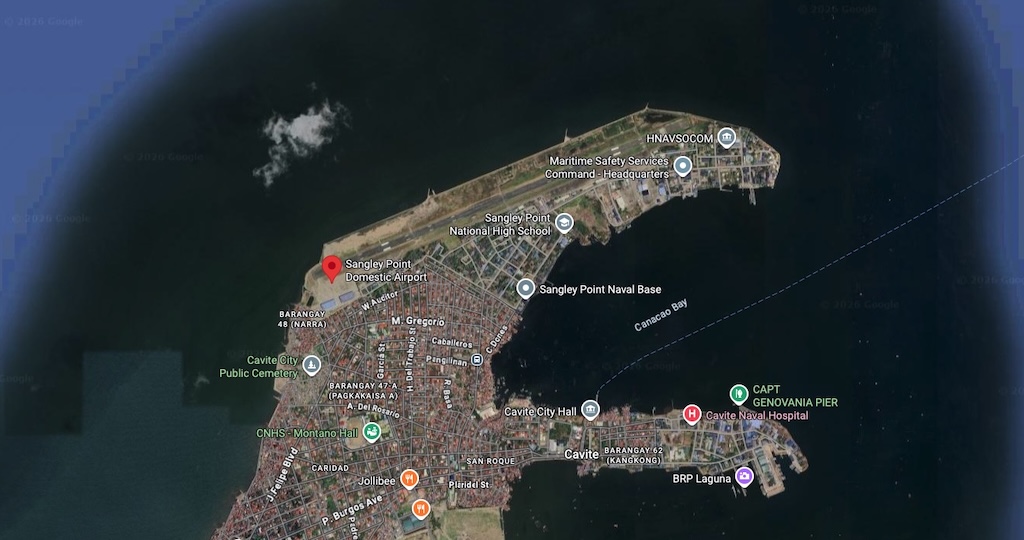
The landscape of Philippine aviation is poised for a massive transformation as the U.S. Trade and Development Agency (USTDA) officially announced its support for the development of the Sangley Point International Airport (SPIA). This strategic move aims to bolster secure transportation links between the Philippines and the United States while addressing the chronic congestion issues plaguing the nation’s primary gateway.
The USTDA has committed funding for a comprehensive feasibility study focused on the proposed airport project in Cavite. As Metro Manila continues to see a surge in air travel demand, the development of SPIA is being positioned as a critical international aviation gateway. This initiative is a cornerstone of the Luzon Economic Corridor, a regional effort designed to enhance connectivity and economic resilience across the Philippines’ most populous island.
The project is specifically engineered to alleviate the burden on Ninoy Aquino International Airport (NAIA). Despite recent upgrades, NAIA reached a staggering 52 million passengers in 2025, pushing its capacity to the limit. By expanding the region’s capacity for both belly-hold cargo and passenger traffic, SPIA will serve as the much-needed pressure relief valve for the capital’s airspace.
US Technical Expertise and High-Security Standards
The USTDA has awarded the grant to the Philippine project developer, Cavitex Holdings Inc. (Cavitex). To ensure the project meets global standards, Cavitex has selected California-based The S-A-P Group, LLC (SAP) to lead the study. This partnership brings top-tier U.S. technical expertise to the table to ensure the airport remains future-proof through detailed air traffic forecasts and sustainable economic models. Furthermore, the study will focus on implementing rigorous security measures and advanced screening technologies specifically designed to protect direct flights to major U.S. aviation hubs.
This collaboration emphasizes the adoption of trusted U.S. solutions throughout the development process. These solutions range from state-of-the-art screening technologies and telecommunications networks to specialized airport construction components and safety equipment. By integrating these systems, SPIA aims to establish a world-class infrastructure that adheres to the highest international safety and efficiency standards.
A Vision for a Free and Open Indo-Pacific
Beyond logistics and infrastructure, the support for SPIA reflects the deep-rooted diplomatic and economic ties between the two nations. The high volume of direct travel between the U.S. and the Philippines underscores a mutual interest in fostering safe and efficient passenger flow. This project aligns with broader geopolitical goals, contributing to the shared priority of maintaining a free and open Indo-Pacific region. For the SPIA Development Consortium, this grant is a catalyst, as the technical assistance provided by the USTDA will accelerate the planning phase and allow the project to tap into innovative technologies and global best practices.
The SPIA initiative is expected to be a total game-changer for the Philippine economy by delivering multifaceted benefits. The construction and operation of the international airport are projected to create tens of thousands of jobs for Filipinos in the construction, aviation, and service sectors, while simultaneously unlocking billions in long-term economic activity by facilitating smoother international trade and tourism. Ultimately, this development will enhance the Philippines’ competitiveness as a premier logistics hub in Southeast Asia.
As the feasibility study gets underway, the local aviation community — the AvGeeks and industry stakeholders alike — will be watching closely. The promise of a modern, secure, and high-capacity gateway at Sangley Point represents not just a new airport, but a new horizon for Philippine aviation.