
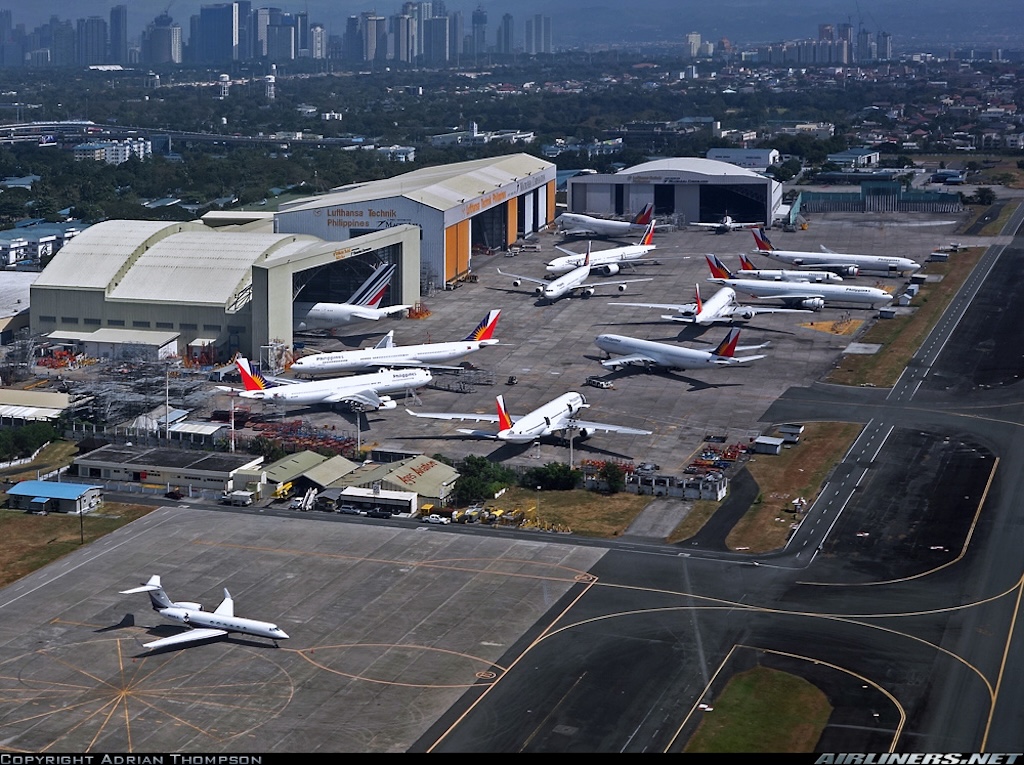
The landscape of aircraft maintenance, repair, and overhaul in the Philippines is set for a significant realignment as two of the industry’s biggest players redefine their operational focus. Lufthansa Technik Philippines (LTP), a cornerstone of the country’s aviation infrastructure, has officially announced that it will discontinue providing Line Maintenance services starting 01 August 2026. This move signals a major strategic pivot for the joint venture, which is now preparing to concentrate its immense resources and technical expertise exclusively on Base Maintenance services and heavy aircraft overhaul.
This transition comes as the company seeks to optimize its facility usage in Manila, where demand for intensive maintenance checks has remained consistently high. By stepping away from the fast-paced, day-to-day requirements of line maintenance — which typically involves routine checks, troubleshooting, and minor repairs carried out during short aircraft turnarounds — Lufthansa Technik Philippines can better dedicate its hangar space and specialized workforce to the complex structural and systems work required during C-checks and D-checks.
In tandem with this shift, Philippine Airlines (PAL) is embarking on a bold journey to consolidate its own operational autonomy. As a long-standing partner of Lufthansa Technik Philippines, the national flag carrier has made the strategic decision to further strengthen and expand its in-house maintenance capability. Moving forward, Philippine Airlines will perform its entire line maintenance requirements internally, servicing its full fleet through its existing maintenance organization. This decision is not merely a logistical change but a significant investment in the airline’s self-sufficiency and long-term technical growth.
By bringing these critical services in-house, Philippine Airlines is aligning itself with a broader industry trend where major global carriers seek greater direct control over their daily flight operations and dispatch reliability. Having a dedicated internal team for line maintenance allows an airline to respond more dynamically to the immediate needs of its fleet, potentially reducing downtime and streamlining communication between flight crews and technical staff.
Despite this change in the day-to-day tarmac operations, the foundational relationship between the two aviation giants remains intact. Lufthansa Technik Philippines and Philippine Airlines have maintained a close and productive partnership for over a quarter of a century. While the line maintenance services will transition to the airline’s internal teams, Philippine Airlines will continue to be a major customer for Lufthansa Technik Philippines. The flag carrier will still rely on the facility in Manila for its complex base maintenance needs, ensuring that the twenty-five-year legacy of cooperation continues in a new, more specialized capacity. This evolution reflects a maturing local industry where roles are becoming more defined, allowing each entity to play to its specific strengths while maintaining the high safety standards for which Philippine aviation is known.