
As aviation conversations often revolve around aircraft, engines, and technology, the people behind every safe takeoff are frequently overlooked. At Lufthansa Technik Philippines (LTP), which is celebrating its 25th anniversary this year, the spotlight is firmly on the thousands of Filipinos whose careers have grown inside its hangars since the company began operations in 2000.
Over the past quarter-century, Lufthansa Technik Philippines has evolved into one of the country’s most significant aviation maintenance, repair, and overhaul (MRO) employers. From its early days, the company positioned itself not just as a service provider but as a long-term career platform for Filipino aviation professionals. Today, more than 3,200 employees work at the facility, including 221 who have remained with the company since its very first day of operations — an uncommon level of retention in a highly competitive global industry.
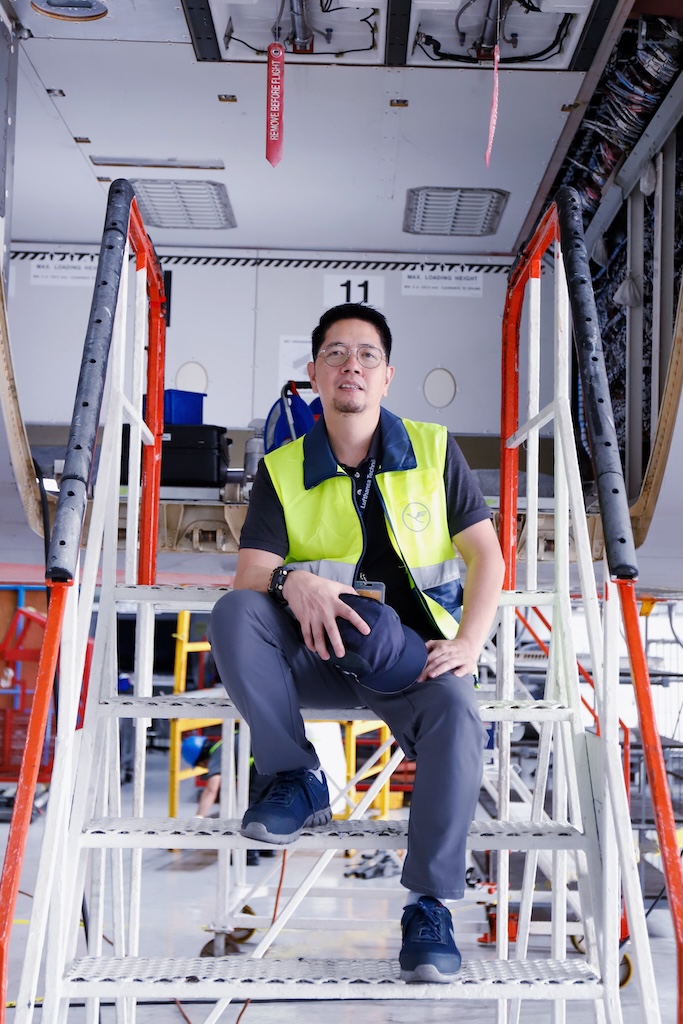
Many of these long-serving employees started their journeys on the hangar floor and eventually rose to leadership roles. One such example is Rovic Salonga, who joined Lufthansa Technik Philippines as part of its first apprentice batch. More than two decades later, he now serves as a shift manager, leading teams responsible for maintaining wide-body aircraft while mentoring younger mechanics entering the industry. His path reflects how early opportunities, combined with structured development, can translate into long-term professional growth.
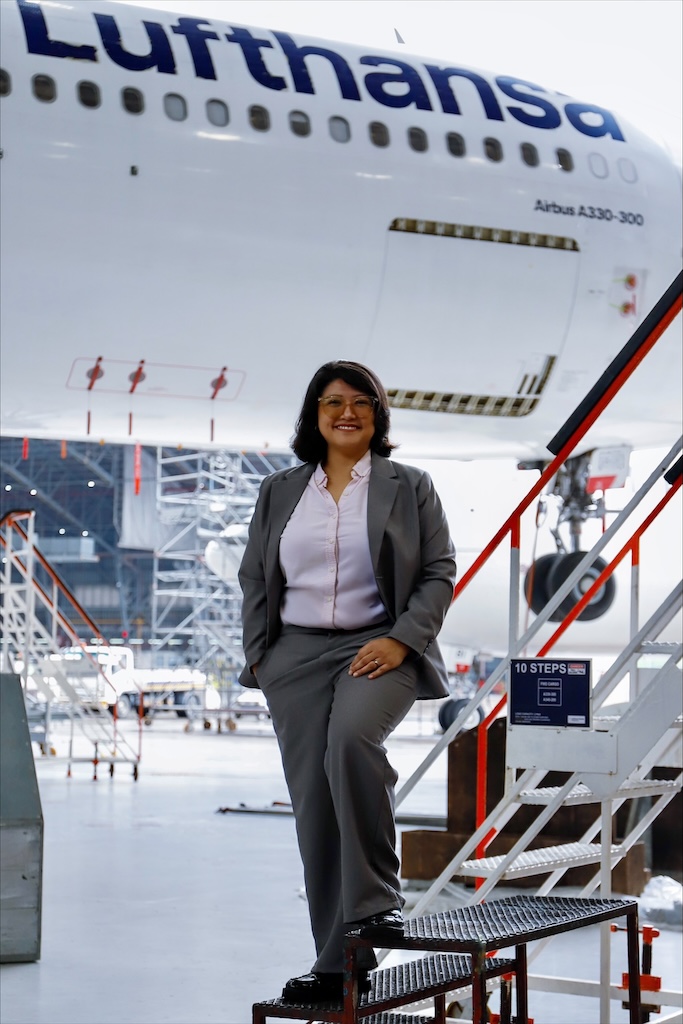
Another example is Santa Fadul, whose 13-year career illustrates the company’s openness to cross-functional development. She built technical expertise in engineering before transitioning into Marketing and Sales, demonstrating how Lufthansa Technik Philippines supports employees in exploring diverse career paths. Her progression highlights the organization’s belief that aviation careers do not need to follow a single, rigid track.
Central to these success stories is a strong emphasis on training. Lufthansa Technik Philippines has consistently invested in apprenticeship and in-house training programs that bridge the gap between academic learning and real-world aircraft maintenance. Collaborations with aviation schools nationwide ensure a steady pipeline of talent, while continuous skills training keeps employees up to date with rapidly evolving aircraft technologies. Leadership development programs further help employees transition from technical specialists into effective people managers.
Company culture has also played a major role in employee retention. The organization combines German operational discipline with Filipino values of teamwork and care, fostering an environment where high standards coexist with employee well-being. Benefits such as comprehensive medical support, generous leave policies, and family-friendly practices have encouraged many employees to stay for decades. In some cases, aviation careers at Lufthansa Technik Philippines have even become family legacies, with parents and children working side by side.
Diversity has likewise become a defining feature of the workforce. More than 300 women are now employed at Lufthansa Technik Philippines, with over 260 in technical positions and around 50 holding leadership roles. Women lead entire maintenance bays and divisions, reflecting the company’s commitment to inclusion in an industry traditionally dominated by men. Fadul’s career, which included technical training in Toulouse and professional exposure across Europe, highlights how the company equips women with global-level expertise.
The impact of this people-first approach extends well beyond Manila. Airlines from around the world entrust their aircraft to Lufthansa Technik Philippines, reinforcing the global reputation of Filipino aviation talent. For employees, maintaining aircraft they once admired from afar has become a source of daily pride and responsibility.
After 25 years, Lufthansa Technik Philippines stands as more than an MRO facility. It has become a cornerstone of aviation career development in the country — proof that world-class aviation expertise can be built and sustained at home. As the company looks to the future, its legacy remains firmly rooted in people, offering the next generation of Filipinos a clear runway toward meaningful, globally relevant careers in aviation.