
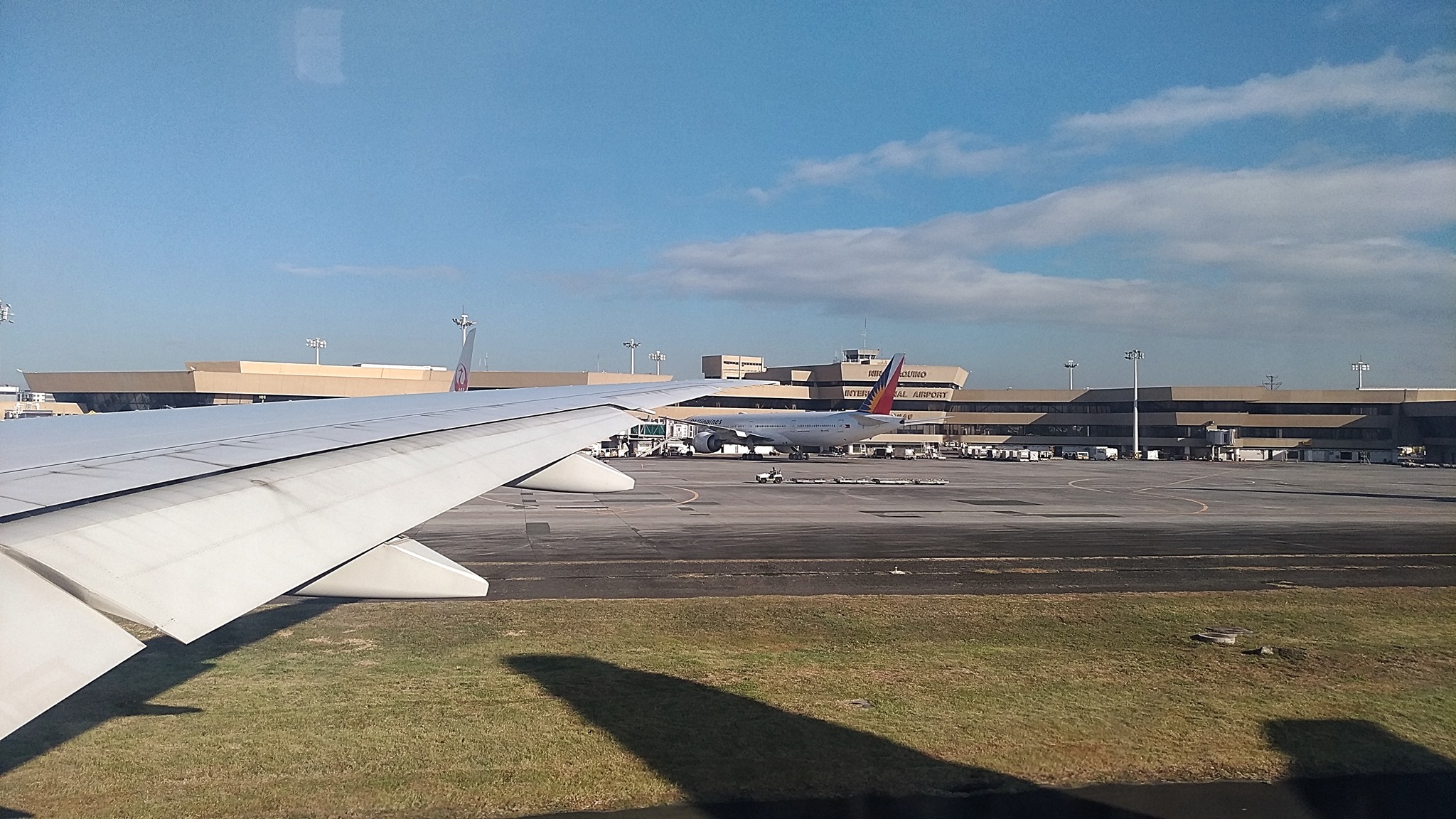
For many travelers passing through Manila (RPLL | MNL), delays or unusual departure times may seem random. But behind every flight arriving or departing from Ninoy Aquino International Airport (NAIA | MNL) is a highly structured system known as slot coordination. For aviation enthusiasts and frequent flyers alike, understanding how slotting works helps explain why flights are scheduled the way they are — and why some airlines prefer certain times of the day over others.
What Is a Flight Slot?
A flight slot is essentially a scheduled time allocated for an aircraft to either take off or land at an airport. At busy airports like NAIA (MNL), where runway capacity is limited and demand is high, slotting ensures that aircraft movements are properly spaced to maintain safety and efficiency.
In Manila (RPLL | MNL), slot allocation is overseen by the Manila Slot Coordination Committee (MSCC), which is composed of representatives from key aviation authorities and airport operators. The committee reviews airline requests for arrival and departure times and allocates slots based on available capacity and operational constraints.
The process is necessary because NAIA operates with limited runway infrastructure compared to other major Asian hubs. Despite handling tens of millions of passengers annually, the airport relies primarily on a single main runway system, making careful scheduling critical.
Why Slotting Is Strict at NAIA?
One of the main reasons slotting is tightly controlled at NAIA is the airport’s movement cap. To ensure safety and manageable air traffic flow, the number of aircraft movements per hour is limited.
The Civil Aviation Authority of the Philippines (CAAP) and the Department of Transportation (DOTr) set operational guidelines that determine how many takeoffs and landings can occur within a specific timeframe.
Because demand from airlines often exceeds available slots, carriers must compete for the most desirable times. Peak periods, usually early morning departures and evening arrivals, are especially valuable because they allow airlines to maximize connections and aircraft utilization.
Why Many Flights Operate Late at Night?
Passengers often notice that many international flights arrive in Manila late at night or depart very early in the morning. This pattern is largely influenced by slot availability.
Nighttime operations help distribute traffic more evenly throughout the day. Airlines may choose these off-peak slots because:
- Peak-hour slots are already fully allocated
- Night operations may reduce ground congestion
- Aircraft arriving late can be scheduled for early morning departures
For cargo airlines, nighttime slots are particularly advantageous. Freight operations typically prioritize logistics efficiency rather than passenger convenience, making overnight arrivals and departures ideal.
How Airlines Apply for Slots?
Airlines submit their slot requests months in advance during what is known as the IATA slot coordination season, typically divided into Summer and Winter schedules.
These requests are evaluated by the Manila Slot Coordination Committee based on several factors:
- Airport capacity limits
- Historical slot usage
- Aircraft type and turnaround requirements
- Air traffic management considerations
Once approved, the assigned slots become part of the airline’s operating schedule.
The Future of Slotting in Manila
Slot congestion at NAIA has long been a challenge for Philippine aviation. The government and industry stakeholders are exploring solutions such as redistributing flights to nearby airports and eventually transitioning some operations to new infrastructure projects like New Manila International Airport in Bulacan (if it ever opens and becomes operational).
Meanwhile, improvements in air traffic management and runway utilization continue to help optimize NAIA’s existing capacity.
For AvGeeks, the slotting system offers a fascinating glimpse into the complex choreography behind every flight. While passengers may only see the final departure time printed on their boarding pass, the process that determines it involves careful coordination among airlines, regulators, and airport operators to keep one of Southeast Asia’s busiest gateways running safely and efficiently.