
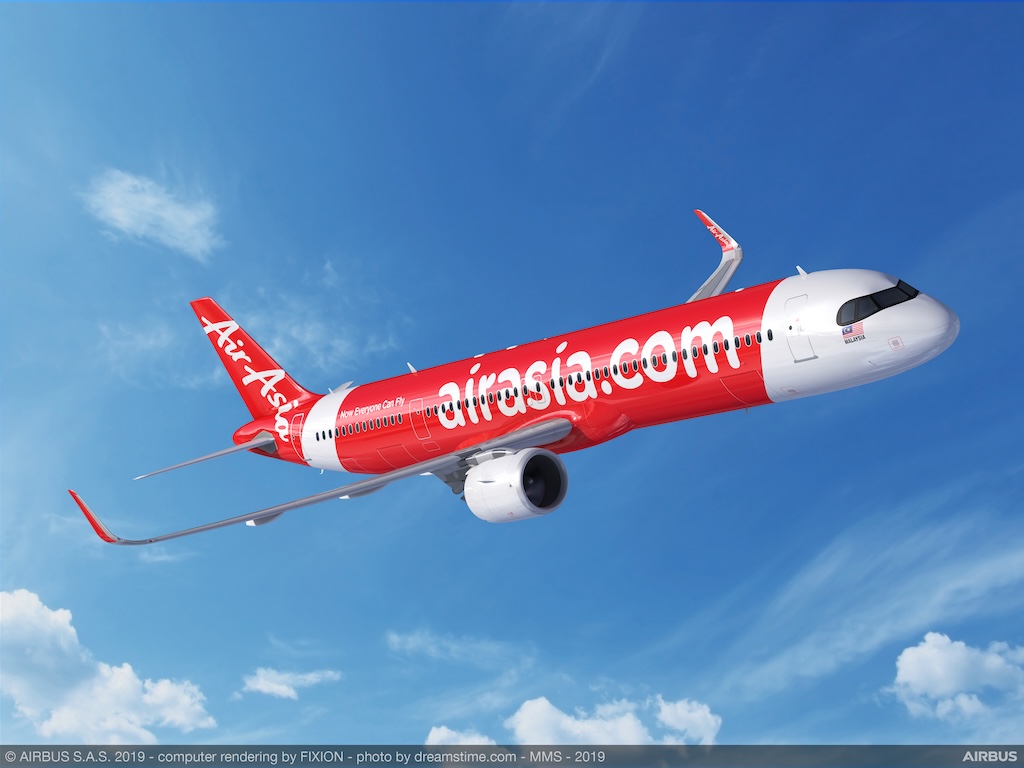
The leadership of AirAsia Group (AirAsia X) shared during a press briefing earlier today that they are capitalizing on resilient regional travel demand to execute an aggressive yet highly disciplined growth strategy. Driven by a stabilizing aviation environment across key Asian markets, the multi-airline consortium is completely restructuring its operations. The group focuses on network efficiency and a scalable operating model, ensuring it remains highly competitive as the travel landscape shifts.
A core component of this operational ramp-up is the aggressive restoration of capacity. AirAsia Group expects to return to 100% capacity across its entire network by August 2026, systematically adding back aircraft frequencies that were previously scaled down. This expansion is paired with the launching of crucial global and regional routes, including newly announced flights to London Gatwick (LGW) via Bahrain (BAH), as well as new services to Busan (PUS), Batam (BTS), and key domestic cities. Management emphasizes that future route expansions will follow strict unit economics to guarantee long-term profitability.
Budget-conscious travelers can look forward to lower fares as global jet fuel prices begin to normalize. Fulfilling its foundational mission to provide accessible low-cost travel across the ASEAN region and beyond, AirAsia is progressively adjusting its pricing structures. Lower operational fuel costs allow the carrier to bring back highly competitive value fares, a move expected to stimulate local economies, unlock tourism, and benefit hundreds of millions of passengers.
Operationally, the group has significantly reinforced its baseline performance. Since April 2026, AirAsia’s seven distinct airline units have maintained a stellar average on-time performance of 85% across a network encompassing more than 150 destinations. This stability is tied directly to a massive fleet modernization push, which includes retiring older, fuel-heavy aircraft in favor of advanced Airbus A321LR units that slash fuel burn by up to 20% per seat. Furthermore, the group is preparing for the highly anticipated future induction of the ultra-efficient Airbus A220, an asset destined to play an important role for regional subsidiaries like AirAsia Philippines (Z2).
Achieving these milestones requires deep collaboration across the entire aviation sector. AirAsia Group CEO Bo Lingam emphasizes that the company built its current agility during recent challenging periods by implementing data-driven tools and artificial intelligence. Lingam urges government bodies and airport operators to support regional tourism by establishing a competitive cost environment. He stresses that preventing hikes in airport levies, taxes, and service charges over the next one to two years will be absolutely essential to sustain consumer demand, bolster connectivity, and lock in economic recovery across ASEAN countries.