
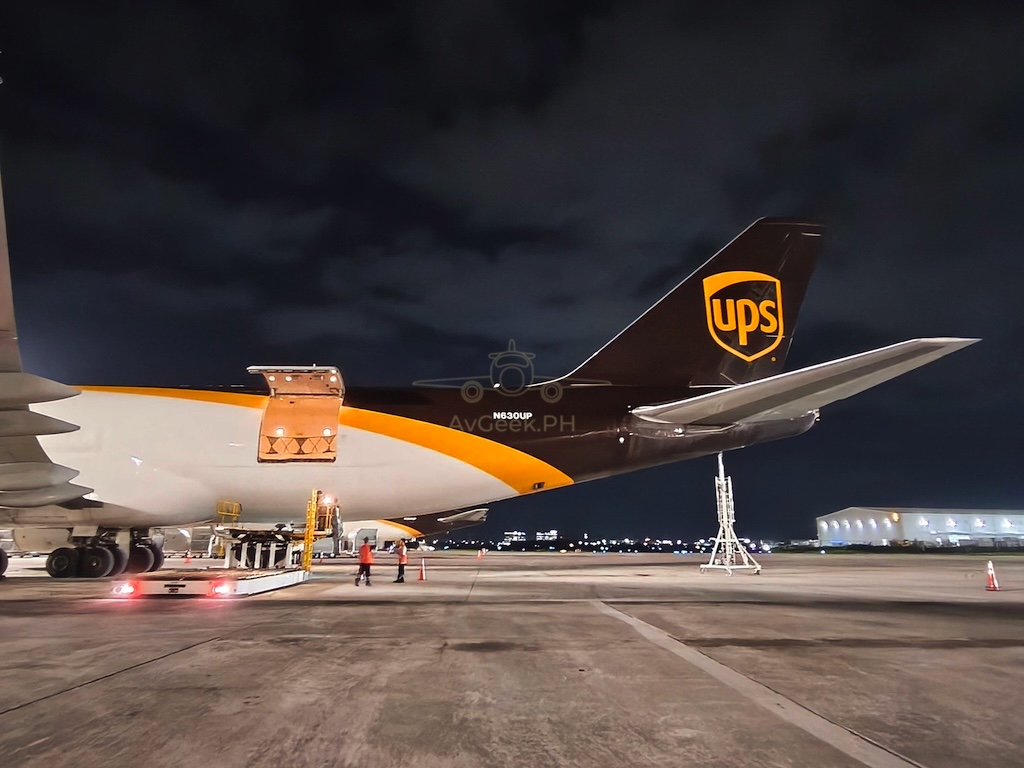
Global logistics giant United Parcel Service (UPS) has officially opened its new air cargo hub at Clark International Airport (CRK) in Pampanga, Philippines, marking a major expansion of its local presence and solidifying the airport’s role as a key international air freight gateway. Representing an investment of more than US$80 million, the new facility is designed to improve cargo connectivity across more than 1,100 global trade lanes. This expansion gives businesses in the Philippines and throughout the Asia-Pacific region faster access to international markets. Spanning approximately 30,000 square meters, or 323,000 square feet, the new facility is 15 times larger than the previous site occupied by the company at the airport. This substantial physical growth increases its cargo handling capabilities, enabling the daily package volume processed through the hub to reach an average of 46,000, supported by a maximum processing capacity of 15,000 packages per hour.
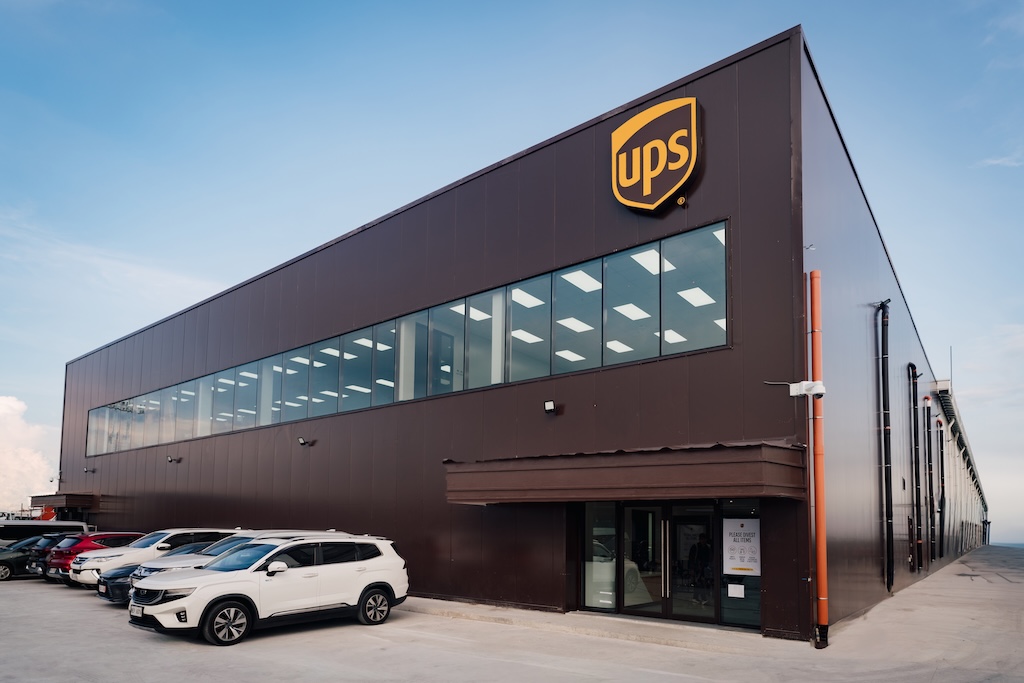
The expanded hub includes specialized handling capabilities tailored for industries that require strict shipment conditions, such as healthcare and high-technology manufacturing, along with other enterprises moving time-sensitive and temperature-sensitive products. With the opening of this hub, UPS now operates 170 weekly flight segments into and out of Clark International Airport, connecting local and regional businesses directly with destinations across the Asia-Pacific region, India, Europe, and the United States. According to the company, these air cargo links allow shipments to reach specific international markets in as little as one business day, depending on the selected service and destination.
This investment also delivers an economic boost to the local area by creating nearly 600 jobs. Russell Reed, Managing Director of UPS Philippines, called the launch a very special moment for customers and the company, expressing excitement over enhancing services across more than 1,100 trade lanes, particularly as businesses face unique challenges. Reed highlighted the company’s long history at the location, where its initial hub was established in 2002. He noted that when opening the first Clark hub in 2002, growth was always kept in mind for customers, employees, and the local community. Expressing pride in having called Clark home for nearly a quarter of a century, Reed stated that the new hub will continue providing international trade growth opportunities for people and businesses in the Philippines and across Asia for decades to come.
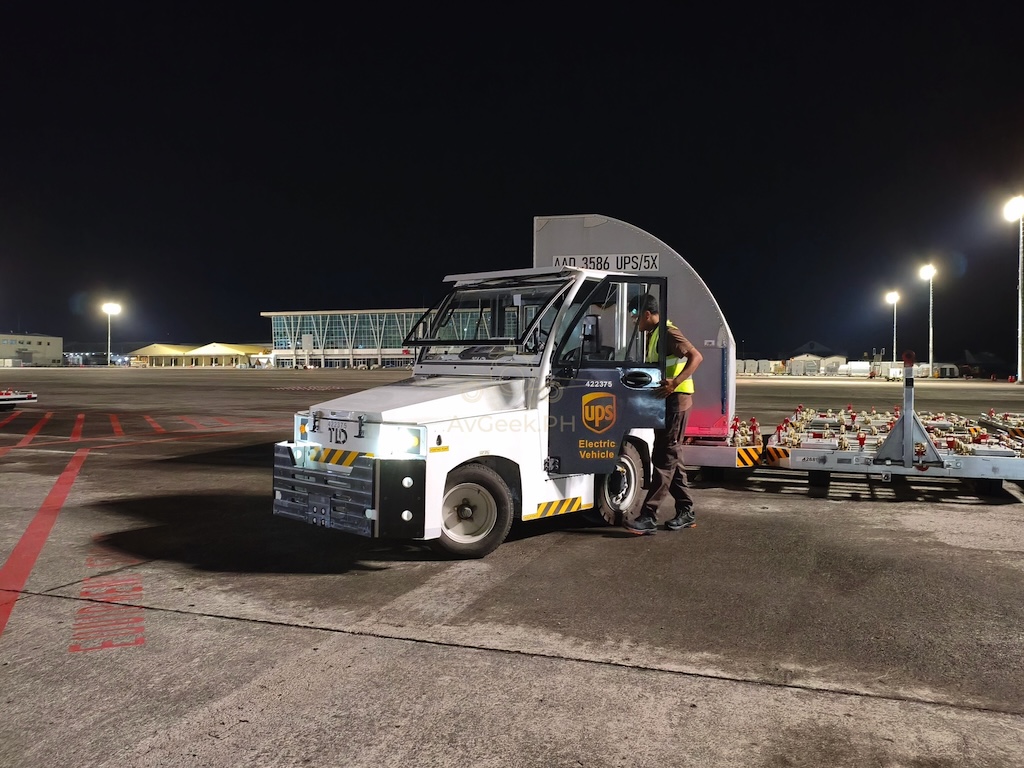
One of UPS’ electric tow tugs at CRK. 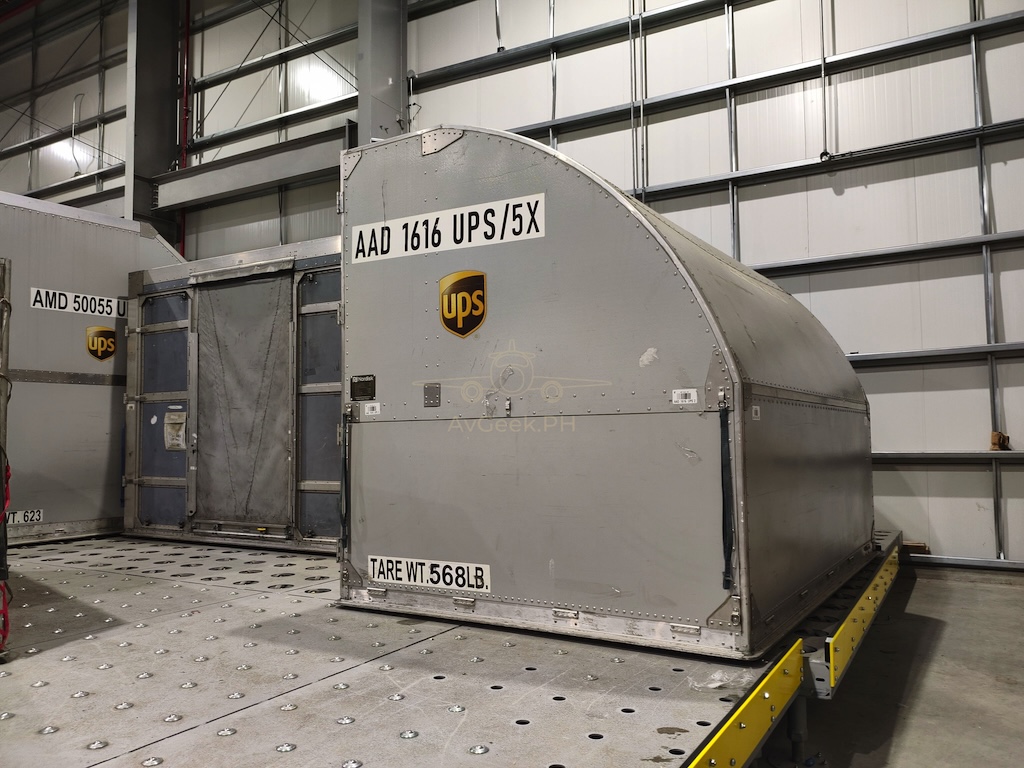
A UPS ULD (Unit Load Device) 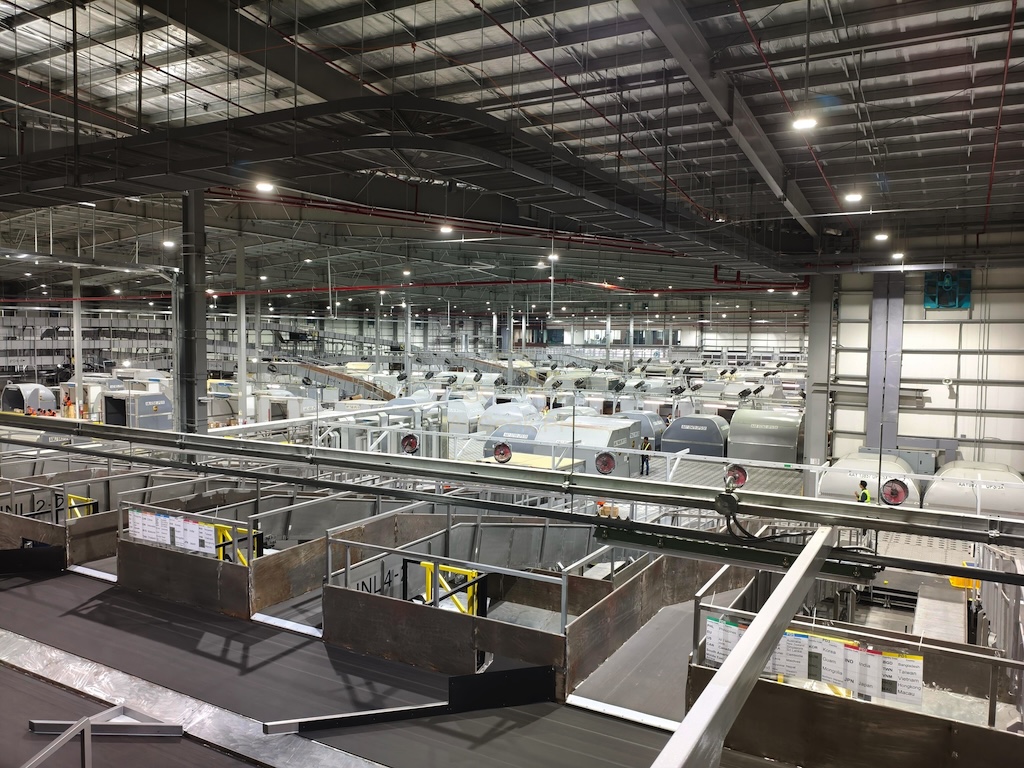
A bird’s eye view of the new UPS Clark Cargo Hub 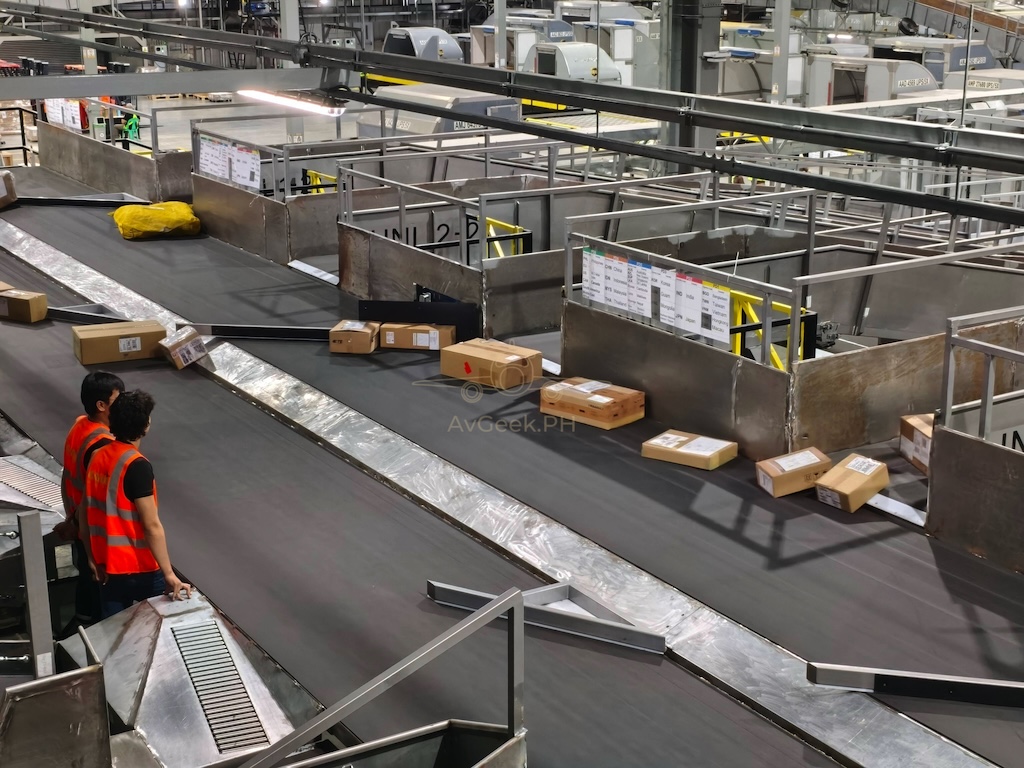
Package sorting out of the ULD’s… 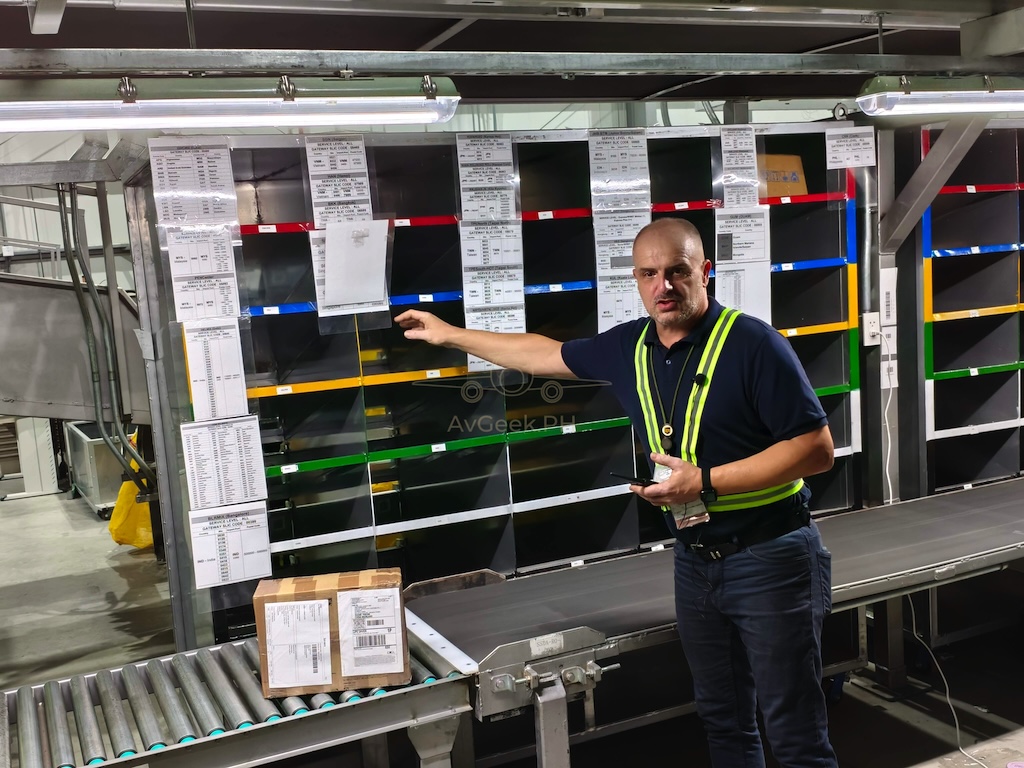
Color-coding system… 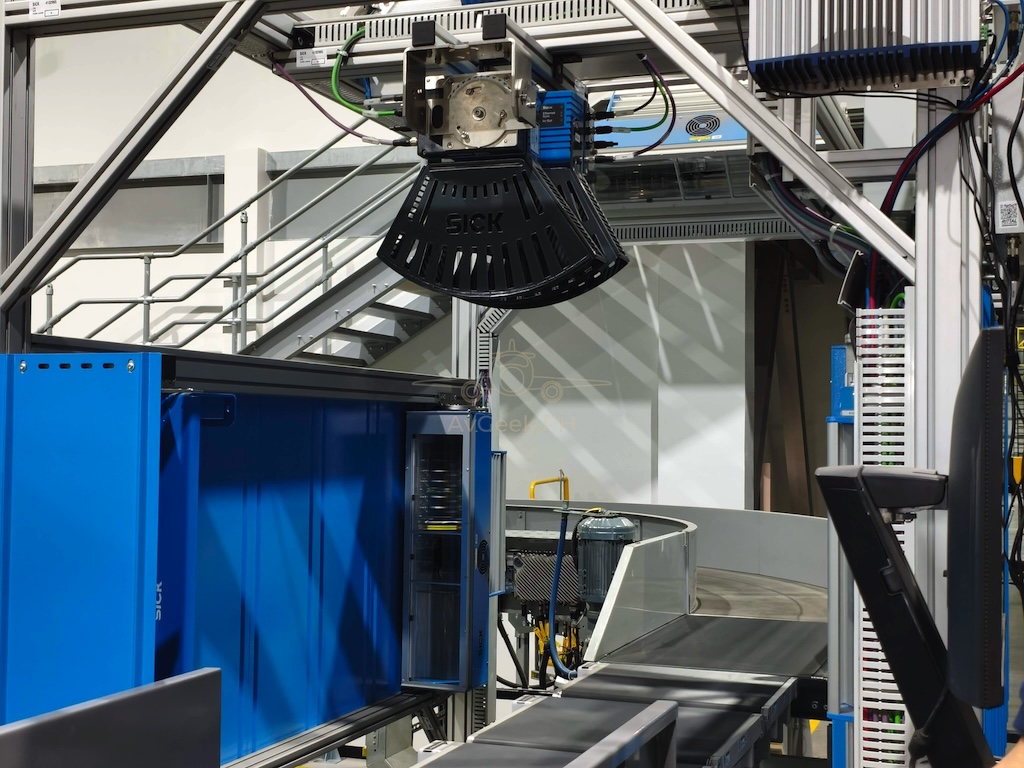
A high-speed camera to scan the barcodes from packages… 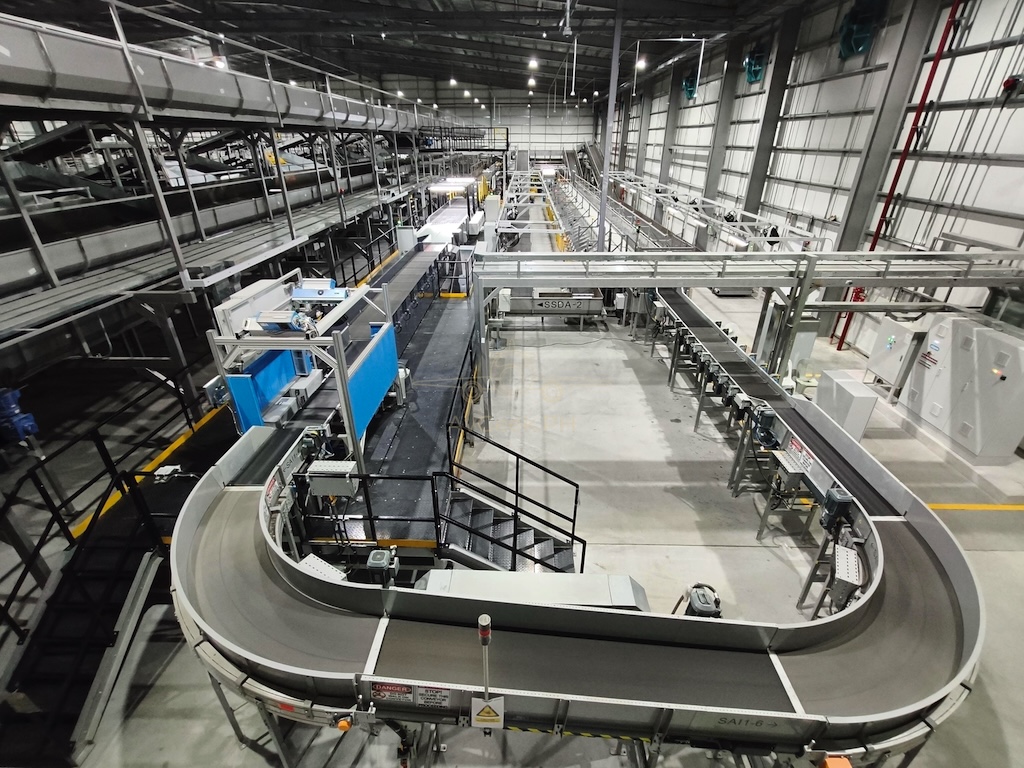
An automated sorting system uses smart technology to process up to 9,000 small packages per hour, helping accelerate shipment movement through the facility while supporting higher cargo volumes.
The facility is expected to improve transit times significantly across major regional and international trade routes. Goods shipped to and from eastern China and other key Asia-Pacific markets can see delivery times improved by up to two days compared to previous schedules. Furthermore, service improvements of up to two days can be experienced by businesses moving cargo between several Southeast Asian markets and India. For Philippine importers and exporters, the facility expands global network connectivity, offering vital support to industries that rely on dependable delivery schedules and cross-border logistics. Later pickup cutoff times, earlier delivery schedules, and faster transit times are being introduced in selected cities and countries across the region, benefiting sectors like electronics manufacturing, e-commerce, and pharmaceuticals.
To handle higher volumes, advanced automation and specialized cargo handling systems have been integrated into the facility. An automated sorting system uses smart technology to process up to 9,000 small packages per hour. For healthcare logistics, dedicated infrastructure includes three refrigeration and freezer units maintaining temperatures from minus 20 degrees Celsius to 25 degrees Celsius, alongside re-icing capabilities for cargo requiring continuous thermal protection. Priority handling and enhanced visibility for critical healthcare items are supported by radio-frequency identification technology. The sustainability-certified facility also uses electric ground service equipment on the ramp, including cargo tractors, belt loaders, cargo loaders, ground processing units, and forklifts, reducing reliance on conventional fuel.
This development is part of a broader, multi-year Asia-Pacific investment strategy. Bernard Jiang, President of UPS Asia Pacific, explained that the decision to build the hub was driven by rising demand for faster, more reliable international shipping services. Jiang stated that when plans to build the new Clark hub were announced in 2024, it marked the start of a multi-year strategy to strengthen the Asia-Pacific network and offer faster connections for growing regional trade flows. He emphasized that the region remains a center for global trade with untapped potential and growth opportunities. Jiang noted that Clark is part of a series of major regional investments, following the opening of a logistics center in Taiwan, breaking ground on a hub at Hong Kong International Airport, and expanding an existing hub at Incheon International Airport in South Korea. The facility strengthens Clark International Airport’s role within the local economic corridor and reinforces its position as a vital international air cargo gateway.

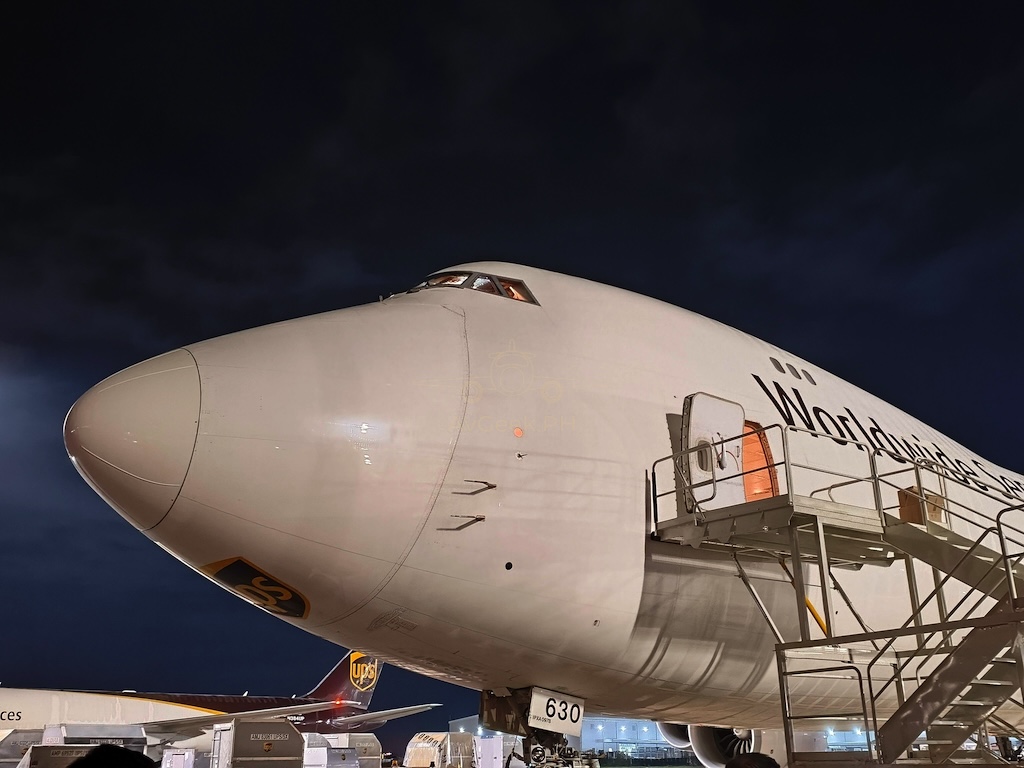
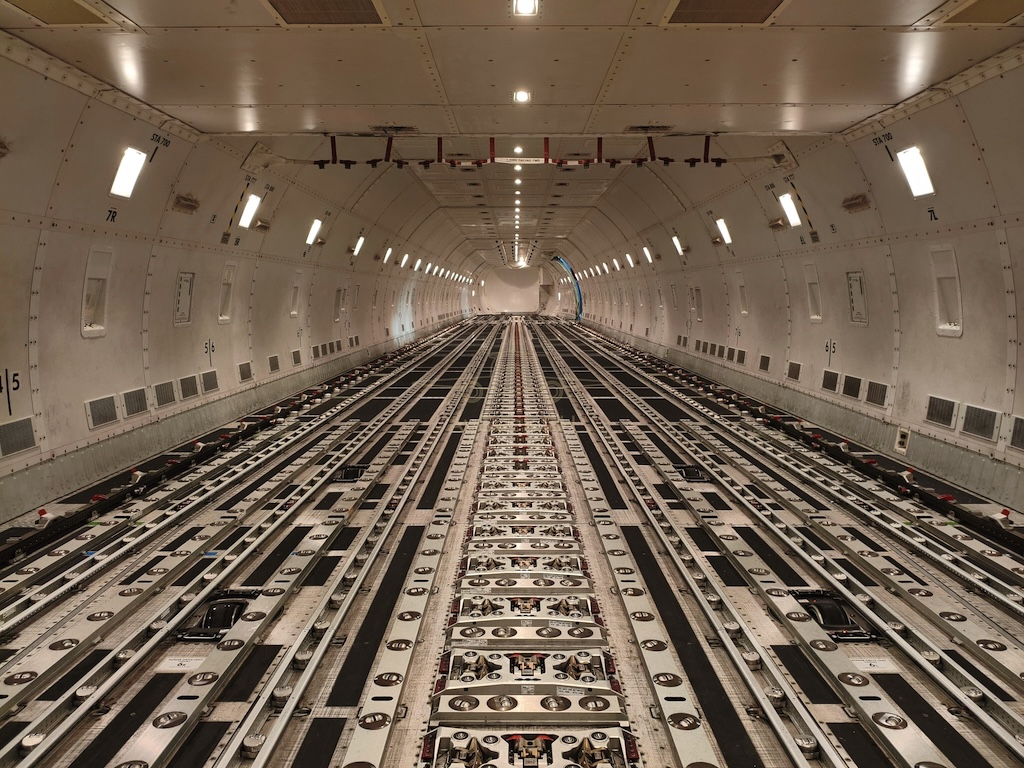
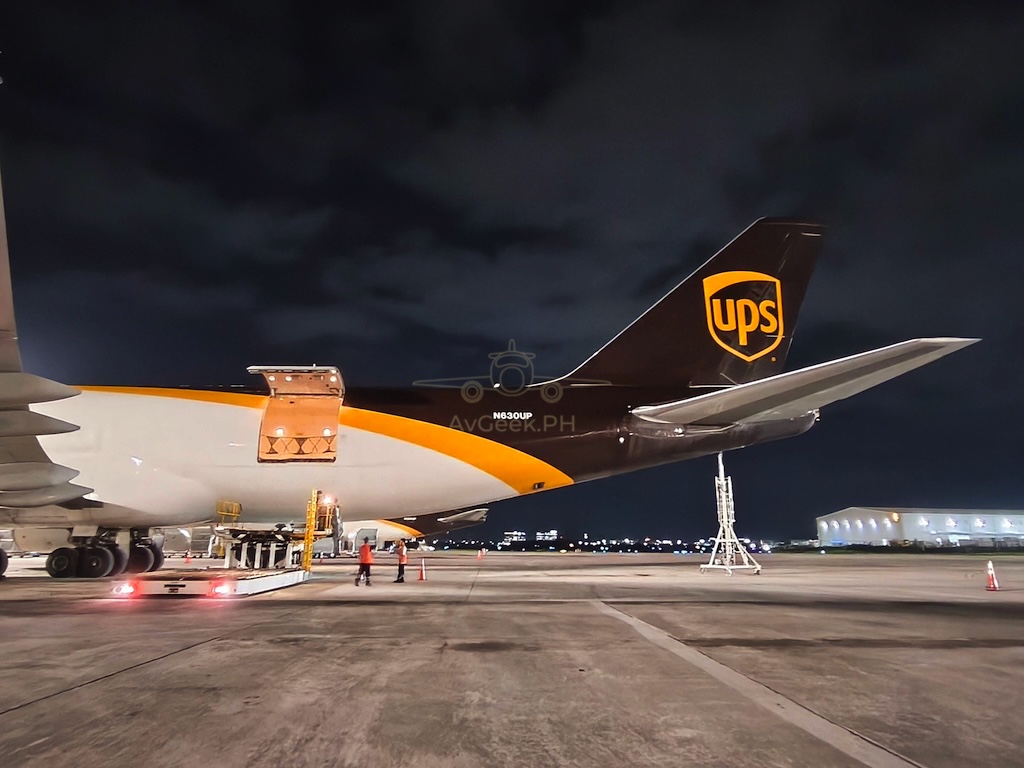
In a press briefing last Tuesday evening in Pampanga, Albert Sapaen Jr., Head of UPS Air Operations and Clark Hub Project Manager, shared additional information regarding aircraft operations and fleet management strategies at Clark. Sapaen explained that the logistics provider directly operates Boeing B767 and Boeing B747 freighter aircraft at Clark, while Boeing B737 aircraft are deployed through its broader partner network to serve various destinations. He highlighted that directly owning and operating its aircraft fleet grants the company greater control over flight scheduling and routing, which optimizes flight paths and enhances operational efficiency. In addition to flight operations, sensing and routing technologies are utilized across the company’s ground delivery fleet to minimize travel distances and boost overall logistics performance. Sapaen noted that fleet requirements and operational strategies are under continuous evaluation, adding that any changes affecting flight operations in the country must comply with regulatory requirements, including submitting operational specifications and securing necessary approvals and licenses from the Civil Aviation Authority of the Philippines (CAAP). It is also worth noting that UPS handles their Line Maintenance in CRK in-house.