
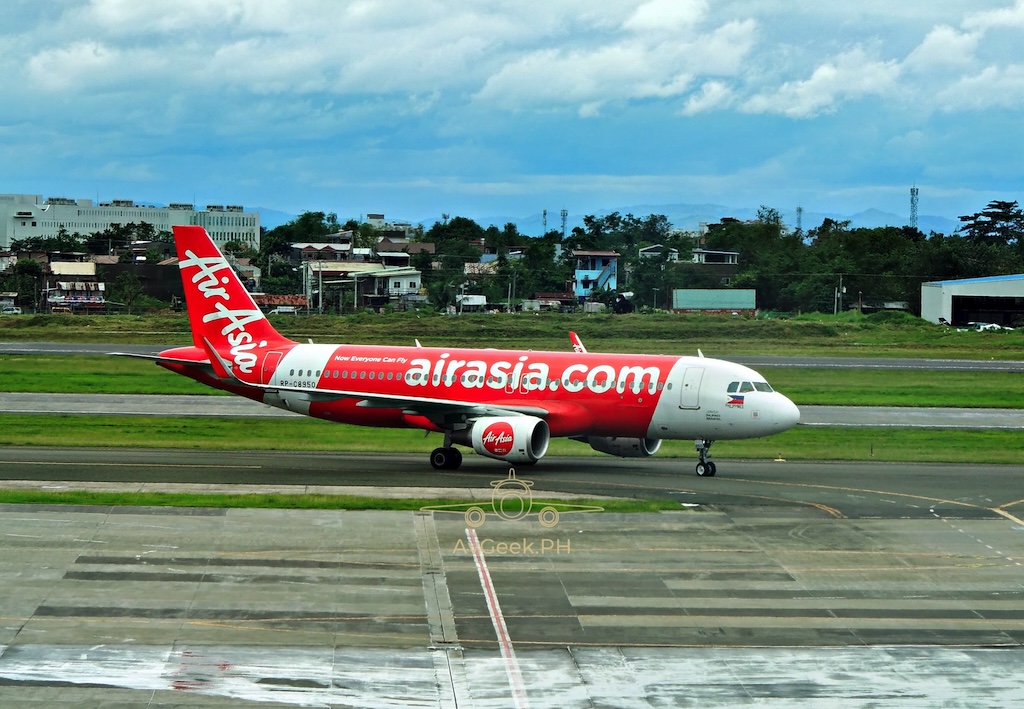
Recent reports about a final demand letter issued by the Civil Aviation Authority of the Philippines (CAAP) to AirAsia Philippines (Z2) covering roughly PHP833 million in unpaid obligations have caused unnecessary alarm. Some write-ups even hinted at possible license suspension or flight disruptions. Personally, after over two decades in the local aviation industry, we believe these reports were written with malicious intent, exaggerating the situation and spreading fear rather than facts.
The truth is, this is a routine administrative process, not a signal of operational crisis.
Airlines regularly remit payments for air navigation, landing and parking fees, and passenger service charges. Large, complex airlines sometimes have accounting backlogs or timing differences, which are normal in a capital-intensive industry.
The final demand letter from CAAP is purely administrative. It is a standard mechanism for regulators to formally request settlement of outstanding balances. Receiving such a letter does not mean an airline will be grounded or suspended immediately.
Having been part of the Philippine aviation ecosystem for over 20 years, we can confirm that other local carriers have received similar demand letters without their operations ever being interrupted. Regulatory bodies issue these letters to ensure compliance and accountability — they are not punitive actions meant to disrupt services.
Administrative follow-ups are routine, and airlines typically resolve them through reconciliation meetings, payment arrangements, or structured settlements. These processes are well-understood and do not threaten flight schedules or passenger safety.
Contrary to some alarming headlines, passenger flights are not at risk. Regulators prioritize public convenience and avoid measures that would disrupt travelers, especially during busy periods. Any enforcement action would first involve dialogue and gradual steps, not abrupt suspensions.
Some reports emphasized unpaid Domestic Passenger Service Charges (DPSC), including funds from expired or unutilized tickets. These are trust funds collected by airlines on behalf of the government, and any discrepancies usually stem from normal accounting reconciliations, not from malfeasance.
Again, this is a bookkeeping and administrative issue, not a safety concern and not a reason to panic.
Broader Context: Aviation Economics
Airlines worldwide, including those operating in the Philippines, are under financial pressure due to soaring fuel costs and operational expenses. Despite this, AirAsia Philippines continues to operate a growing network of domestic and international routes, demonstrating stability and resilience.
For passengers, employees, and investors: this is not a crisis. The demand letter is an administrative step for financial accountability, historically resolved without impacting airline operations.
With over 20 years of experience in the local aviation industry, we can confidently say that these sensationalized reports do not reflect the reality of airline operations or regulatory practice in the Philippines. Stakeholders can remain calm — flights will continue, services will operate normally, and this matter will be resolved through standard regulatory processes.