
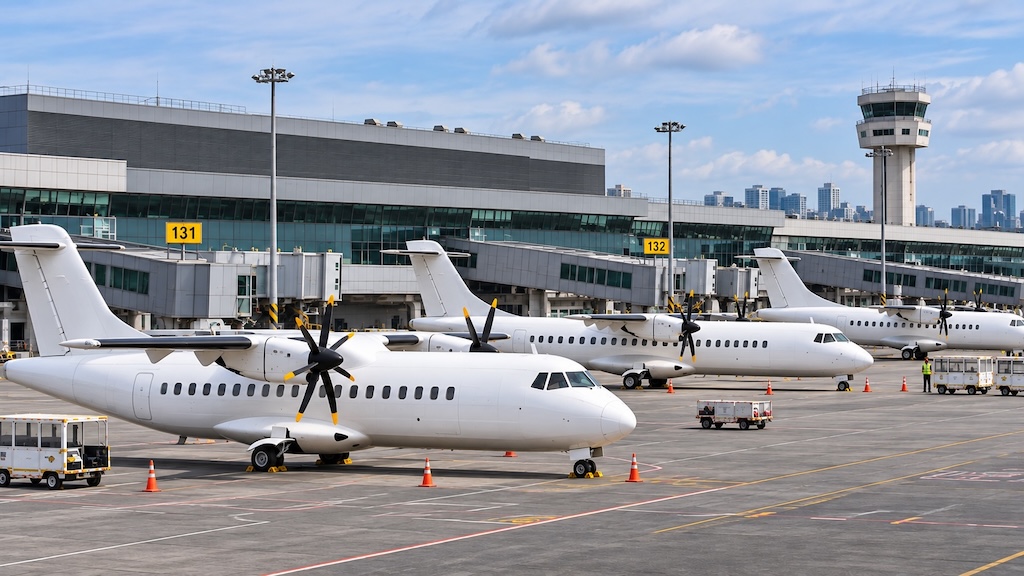
The Department of Tourism (DOT) is actively advocating for the return of turboprop aircraft operations to Ninoy Aquino International Airport (NAIA | MNL), coming just over seven months after the smaller planes were officially removed from the primary gateway of the Philippines. The original phaseout was executed to tackle chronic runway congestion and optimize airfield capacity, but the resulting gap has spurred fresh debate regarding regional connectivity and domestic travel accessibility.
Turboprop operations at the capital’s main international gateway formally ceased on 29 March 2026, in accordance with a government mandate designed to shift smaller regional air services away from the capital. Under this directive, turboprop flights were relocated to alternative hubs, most notably Clark International Airport (CRK). The underlying operational rationale was focused on air traffic management: by clearing smaller turboprops from Manila’s constrained runways, authorities aimed to free up valuable take-off and landing slots exclusively for larger commercial passenger jets. These larger jet aircraft carry significantly higher passenger payloads per movement, theoretically maximizing passenger throughput and enhancing the overall operational efficiency of the country’s busiest airport.
However, the displacement of turboprop aircraft has introduced significant complications for domestic tourism and passenger mobility. Numerous regional and island destinations across the Philippine archipelago rely fundamentally on turboprop operations due to airfield constraints and infrastructure limitations that prevent larger jet operations. Connecting Metro Manila to these smaller, specialized destinations became considerably more complicated once direct departures from the central gateway were terminated. Travelers who previously enjoyed seamless, direct flights out of Ninoy Aquino International Airport have faced reduced convenience, longer overall transit times, and added ground or air transportation expenses associated with departing from secondary gateways like Clark.
In response to these mounting domestic tourism concerns, the Department of Tourism is pushing to revisit the exclusion policy. The initiative seeks to balance the critical need for regional tourism accessibility against the reality of existing operational constraints at the country’s primary airport hub. Any potential comeback for propeller-driven aircraft, however, cannot happen overnight. Reintroducing these services requires comprehensive inter-agency evaluation and coordination among the Department of Transportation (DOTr), civil aviation regulators, airport management authorities, and slot coordinators. These stakeholders must collectively determine whether turboprop movements can be safely and efficiently integrated back into the airport’s schedule without compromising overall capacity or reversing hard-won airside efficiency gains.
At this stage, the Department of Tourism’s push remains a proposal and does not signify an immediate reversal of existing airport policy. As of this writing, aviation authorities have announced neither an official date for implementation nor an approved allocation of turboprop runway slots. The ongoing situation highlights the delicate and persistent challenge facing the Philippine aviation sector: striking a sustainable balance between managing severe airport congestion and preserving direct, convenient air connectivity for isolated island communities and emerging regional tourism destinations. AvGeek Philippines will continue monitoring developments surrounding the proposed return of turboprop operations to Ninoy Aquino International Airport.