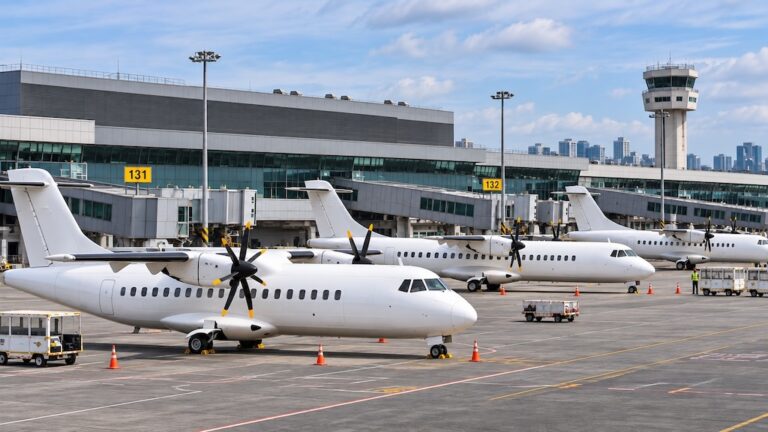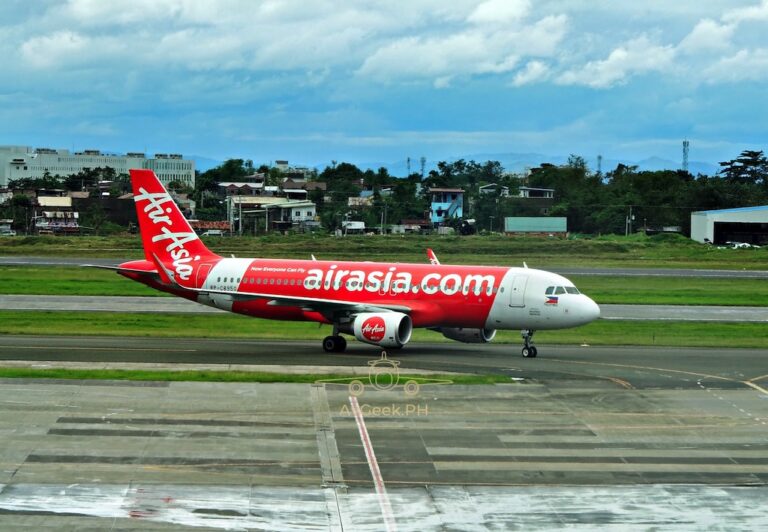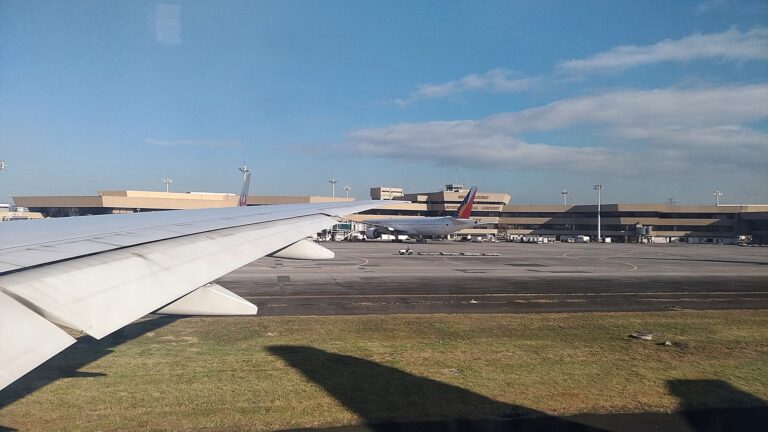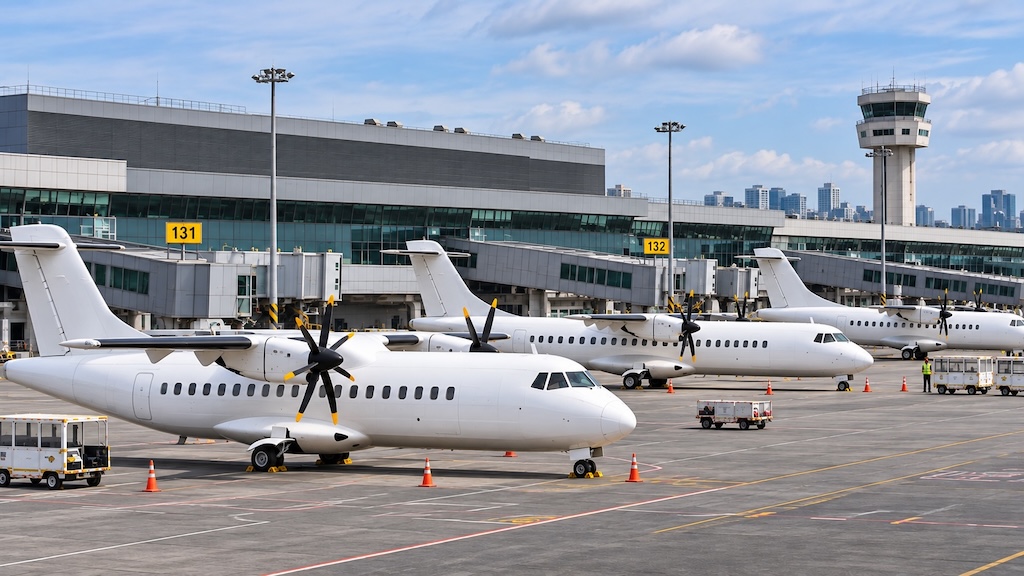
A legislative measure has been formally introduced in the Philippine House of Representatives (HOR) urging aviation and transportation regulators to immediately lift existing operational restrictions on turboprop aircraft at the Ninoy Aquino International Airport (NAIA | MNL). Filed on 23 November 2026 during the Second Regular Session of the Twentieth Congress, House Resolution No. 1634 highlights the adverse consequences of the restriction on domestic tourism, regional air connectivity, and local economies across the archipelago.
Authored by Surigao del Norte First District Representative Francisco “Lalo” T. Matugas and APEC Party-List Representative Sergio C. Dagooc, the resolution calls upon the Civil Aviation Authority of the Philippines (CAAP), the Department of Transportation (DOTr), and the Manila Slot Coordination Committee to reinstate turboprop operations at the nation’s primary international gateway, with particular emphasis on routes serving key island destinations. The filing arrives nearly eight months after the full implementation of the NAIA turboprop phaseout on 29 March 2026. Originally designed to decongest the Manila hub and optimize available runway slots for higher-capacity jet aircraft, the policy shifted turboprop flights to Clark International Airport (CRK) and other regional aviation hubs.
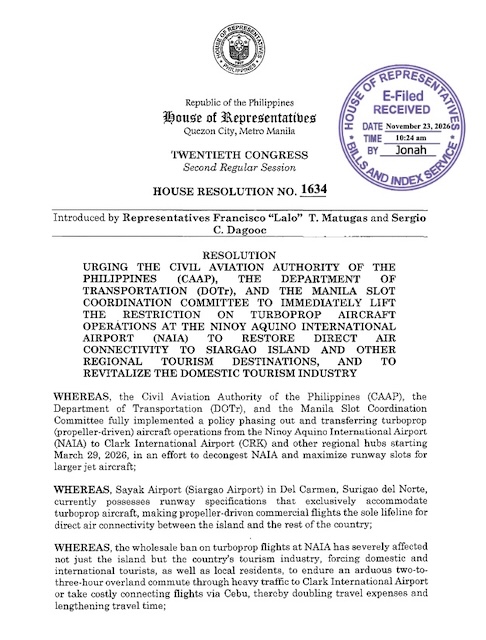
According to the lawmakers, however, this operational shift has disproportionately impacted destinations such as Siargao, where existing airport runway specifications limit commercial operations strictly to turboprop aircraft. As a result of the phaseout, travelers departing from Metro Manila face lengthy overland transfers to Clark or must take connecting flights through Cebu, leading to higher travel expenses and significantly longer transit times.
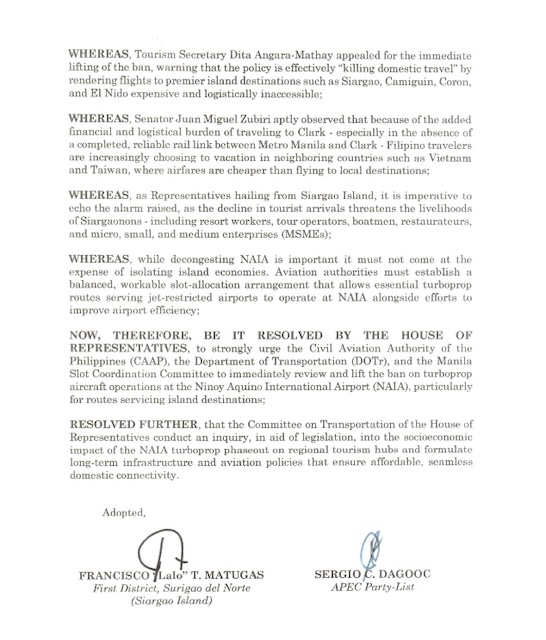
House Resolution No. 1634 also references an appeal from Tourism Secretary Dita Angara-Mathay for the immediate removal of the restriction, warning that the policy is effectively “killing domestic travel” by making prominent island destinations — including Siargao, Camiguin, Coron, and El Nido — costlier and less accessible to travelers. In addition, the measure cites observations from Senator Juan Miguel Zubiri regarding how the added financial and logistical hurdles of domestic air travel are prompting Filipino tourists to choose neighboring international destinations such as Vietnam and Taiwan, where airfares can be lower than flights to local tourist spots.
While recognizing the necessity of addressing congestion at NAIA, the authors of the resolution emphasized that operational efficiency at the main gateway should not undermine regional economies or the livelihoods of communities reliant on tourism. They advocated for a balanced slot-allocation framework capable of accommodating vital turboprop services to regional airports that cannot accommodate jet aircraft.
Beyond seeking the immediate lifting of the ban, House Resolution No. 1634 calls on the House Committee on Transportation to conduct a congressional inquiry, in aid of legislation, into the socioeconomic effects of the NAIA turboprop phaseout and to develop long-term aviation and infrastructure policies that promote affordable, seamless domestic connectivity. Notably, the submission of the resolution does not automatically overturn the current restrictions at NAIA; restoring affected commercial flights will still require formal policy revisions, slot reallocations, and coordinated operational adjustments among aviation regulators and participating airlines.