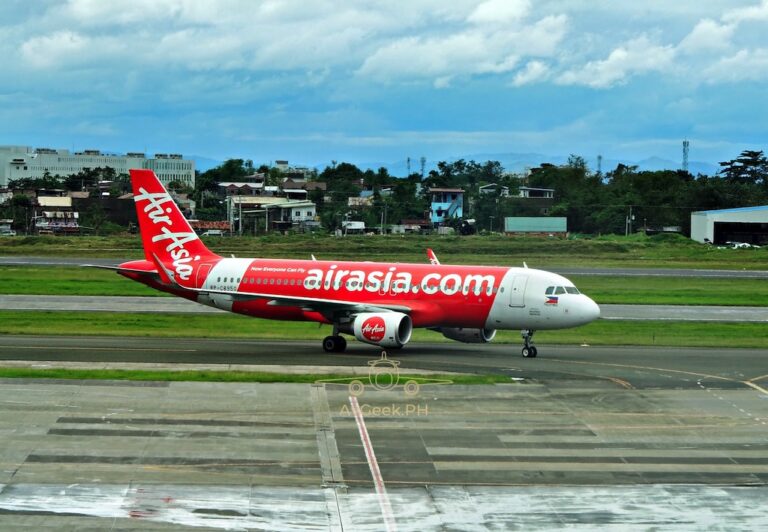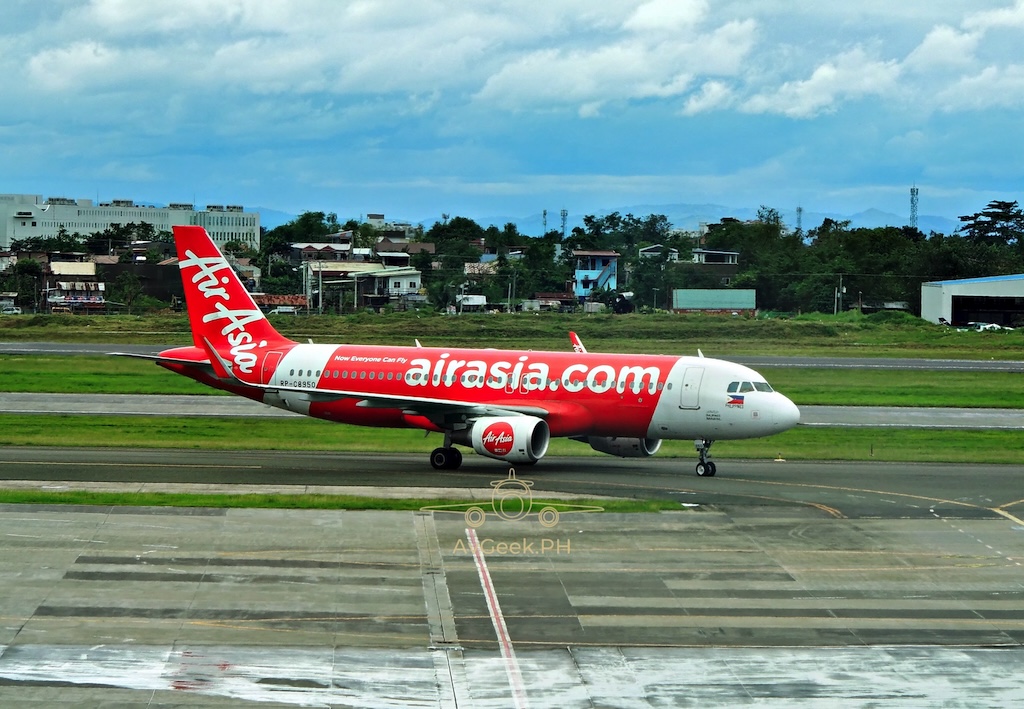
AirAsia Philippines (Z2) has officially announced a workforce reduction as part of a broader operational strategy to preserve sustainability amid persistently high jet fuel prices and unfavorable foreign exchange rates. These ongoing economic headwinds have substantially driven up the low-cost carrier’s operating expenses, prompting management to take decisive measures to protect its financial footing.
In its official statement, the airline explained the rationale behind the move and its commitment to affected personnel: “AirAsia Philippines has made the very difficult decision to reduce our workforce. Sustained pressure from elevated jet fuel prices and unfavorable exchange rates has significantly increased our operating costs. In response, we had to carefully evaluate and optimize our routes and flight frequencies to keep our operations sustainable, which in effect have a significant effect on our manpower requirements. These tough adjustments are being made to ensure the long-term stability of the airline, in the best interest of our passengers and our dearest Allstars. We deeply recognize the impact this has on our colleagues and their families, and we are committed to supporting them with care and transparency through this transition.”
While news of a workforce reduction may naturally spark concern among travelers, the airline’s announcement should not be misinterpreted as a sign of an impending shutdown. Instead, the move reflects deliberate operational restructuring designed to secure business continuity rather than an exit from the market.
Why Fuel Surcharges are Not Enough?
Addressing the financial realities of commercial aviation, industry dynamics show why airlines cannot simply pass rising fuel expenses directly onto passengers through higher ticket prices or increased fuel surcharges. In the Philippines, fuel surcharges are strictly regulated by the Civil Aeronautics Board (CAB), meaning carriers cannot unilaterally raise these fees beyond government-prescribed ceilings. In addition, fuel surcharges are structured merely to cushion the financial blow of elevated fuel costs rather than fully recover the entirety of an airline’s additional expenses.
The passenger and cargo fuel surcharge matrix currently utilized across the Philippine commercial aviation sector dates back to 2022, when the CAB expanded the framework from seven to 20 levels. More than four years later, industry realities suggest the matrix warrants a comprehensive review to evaluate whether its prescribed rates still accurately reflect present-day operating conditions. Although the applicable surcharge levels are periodically adjusted, modifying the active tier is fundamentally different from recalibrating the underlying matrix itself, leaving the aviation sector at risk of relying on an outdated regulatory framework amid shifting economic pressures.
Compounding the challenge of expensive jet fuel is the weakening Philippine peso. A substantial share of an airline’s core operating expenses — including aircraft leases, maintenance, spare parts, insurance, and fuel — is denominated in US dollars, whereas a large portion of revenue generated from domestic operations is collected in Philippine pesos. At the same time, raising base fares is not a straightforward fix, as the Philippine aviation market remains highly price-sensitive; higher ticket prices risk dampening travel demand, lowering passenger volume, and ultimately eroding airline revenues.
Restructuring Does Not Mean Closure
Seen within the broader context of airline management, AirAsia Philippines’ decision to streamline operations represents a standard set of measures — reducing flight frequencies, rationalizing routes, and aligning manpower — used to control costs and safeguard long-term viability. For travelers holding existing reservations or planning upcoming trips, nothing in the carrier’s announcement suggests a cessation of operations. On the contrary, these difficult adjustments are specifically aimed at keeping the airline flying sustainably over the long haul. Passengers need not view the workforce reduction as a reason to avoid booking flights with the carrier, though they are encouraged to monitor official airline channels for any potential schedule updates.
Balancing passenger affordability and airline sustainability
The situation also highlights the importance of aviation regulators revisiting existing policies, particularly the fuel surcharge matrix, so that regulatory frameworks remain responsive to current economic conditions while balancing passenger affordability with carrier sustainability. Consumer protection should not come at the expense of rendering commercial aviation financially unviable, as a healthy and competitive airline sector ultimately benefits the flying public through broader connectivity, greater travel choices, competitive airfares, and sustained employment opportunities. While acknowledging the heavy impact of the downsizing on affected personnel and their families — and pledging to support them with care and transparency during the transition — the airline’s restructuring serves as a preventive measure designed to avert closure rather than signal one.
AirAsia Philippines has not yet disclosed the exact number of affected employees or the specific routes and flight frequencies slated for further adjustment.