
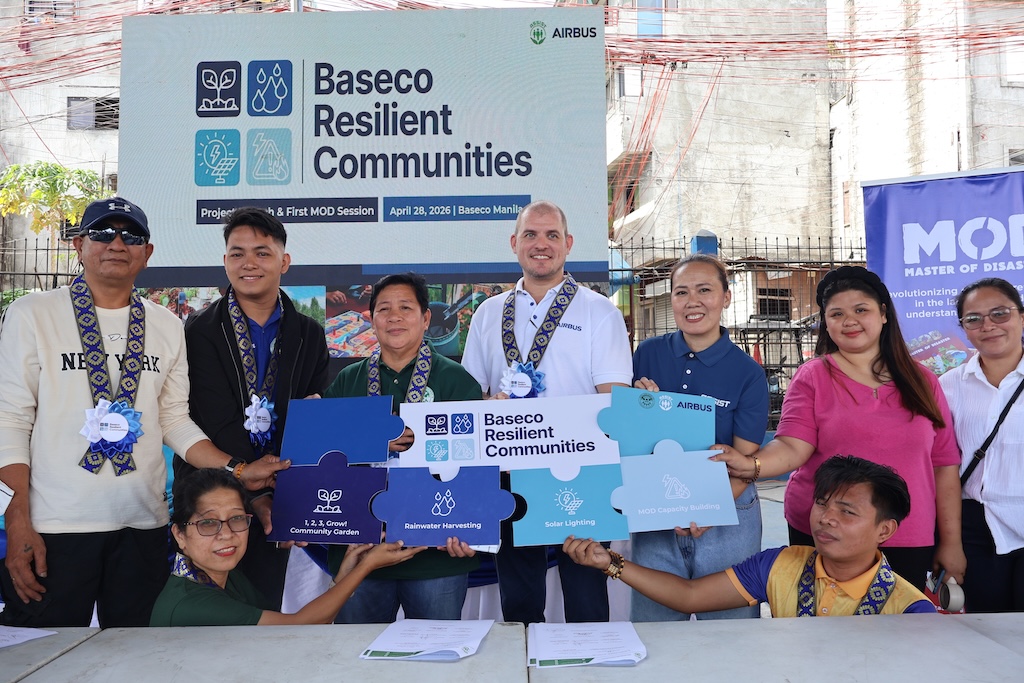
The aerospace industry has always been about more than just flying; it is about connecting people and ensuring the safety of global citizens. In a move that extends its reach from the skies to the soil, Airbus, in collaboration with the Asia Society for Social Improvement and Sustainable Transformation (ASSIST), has officially inaugurated the Resilient Communities Program. This strategic initiative is specifically designed to enhance disaster preparedness and long-term sustainability in Barangay 649, Baseco, one of Manila’s most vulnerable coastal areas.
The partnership between the European aerospace giant and the international NGO focuses on delivering scalable solutions across four critical pillars designed to address the unique socio-economic and environmental challenges faced by the residents of Baseco. To address immediate nutritional needs, the program establishes a community garden aimed at fostering long-term food security. This is complemented by an emphasis on energy resilience, where solar-powered lighting and community hubs are installed to ensure the neighborhood remains powered and connected during emergency grid failures.
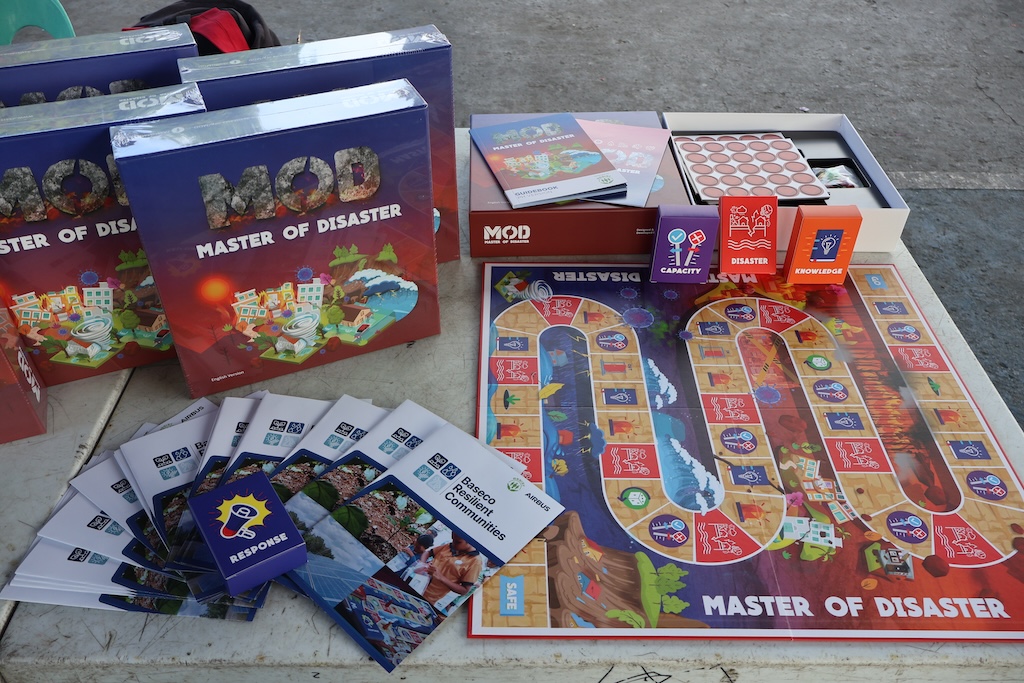
Beyond energy and food, the initiative tackles essential resources through the deployment of rainwater harvesting systems, which provide a steady supply of clean water and improve overall water security. Finally, the program integrates Disaster Risk Reduction (DRR) by utilizing the Master of Disaster (MOD) capacity-building game. This innovative tool educates residents on emergency response, transforming complex disaster protocols into accessible, interactive learning experiences.
The program’s launch at the Amadome Covered Court follows an extensive planning phase and a rigorous needs assessment. By involving the local residents directly, the project ensures that the solutions provided are not merely donations but are tools designed and managed by the community itself, engaging stakeholders from the Local Government Unit and the Barangay Inter-Agency Network.
Aviation CSR in Action: Strengthening the Local Ground
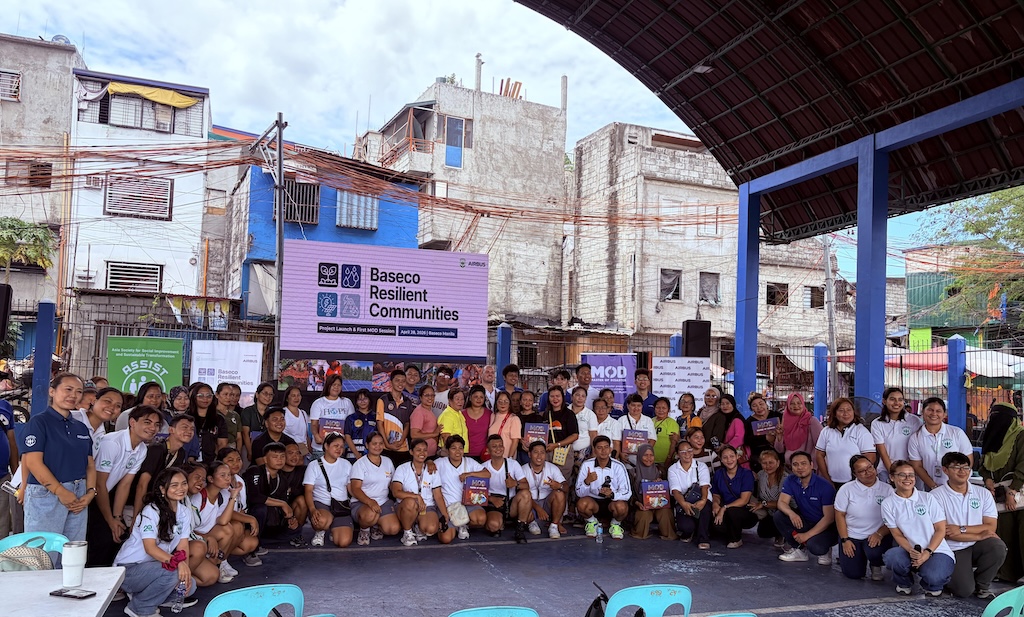
While Airbus is known for its dominance in the Philippine aviation sector through its narrowbody and widebody fleets, this program highlights its commitment to corporate social responsibility (CSR) within the regions where it operates. Juha-Pekka Hoikka, the Airbus Country Representative in the Philippines, noted that the company is dedicated to driving meaningful change. He explained that the program is built on the principle of lasting positive impact, focusing on the specific needs of Baseco to foster community ownership of these sustainability tools.
A highlight of the launch was the first community session of the Master of Disaster (MOD) game. This interactive training session saw 90 participants, including school representatives and youth leaders, engage in disaster preparedness simulations. Airbus volunteers played a crucial role in the event, working side-by-side with community members to facilitate the training. The day concluded with the formal handover of MOD board games to local schools and community organizations, ensuring that the disaster-readiness curriculum becomes a permanent fixture in local education.
A Long-Term Vision for Sustainability
According to Marielle Mariano, Project Management Office Lead at ASSIST, the logic behind the project’s impact is centered on a capacity-building framework. The goal is to move beyond one-time donations toward measurable outcomes in urban gardening and renewable energy, allowing the community to lead its own recovery and development long after the initial implementation phase.
The Resilient Communities Program is set to run through December 2028. Over the next few years, regular monitoring and impact assessments will be conducted to ensure that these initiatives remain sustainable and can eventually be scaled to assist other vulnerable urban communities across the Philippines. For the Philippine aviation community, seeing a major manufacturer like Airbus invest so heavily in the safety and resilience of local neighborhoods is a testament to the industry’s broader mission of service and safety.