
The eyes of Southeast Asia are turning toward the Philippines as the Mactan-Cebu International Airport (MCIA) enters the final approach for its comprehensive preparations for the Association of Southeast Asian Nations (ASEAN) Summit this May. As the primary gateway to the Visayas, MCIA is undergoing a massive operational transformation to welcome Heads of State, international delegates, and global media with a blend of high-level security and world-renowned Cebuano hospitality.
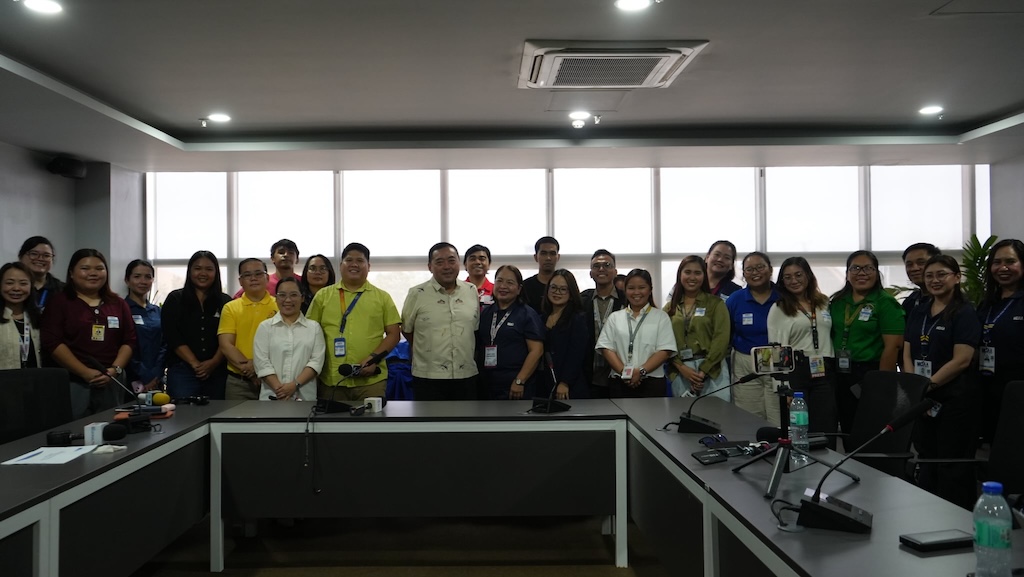
A joint operational task force has been activated, marking a seamless collaboration between the airport’s private operator, Aboitiz InfraCapital Cebu Airport Corporation (ACAC), and the Mactan-Cebu International Airport Authority (MCIAA). This public-private partnership is working in lockstep with the ASEAN National Organizing Committee (NOC), the TIEZA Site Enhancement Team, and various law enforcement units to ensure the facility is mission-ready.
The objective is clear: to deliver a world-class arrival and departure experience that highlights the efficiency of Philippine aviation. According to leadership at ACAC, the teams are currently executing a rigorous plan that covers everything from VIP lounge refreshments to precision airside operations. The goal is to ensure that while delegates enjoy a vibrant and smooth journey, regular commercial passengers continue to experience uninterrupted comfort and service standards.
Infrastructure and Airside Enhancements
The MCIAA has spearheaded several critical site enhancements to ensure the airport can handle the influx of diplomatic aircraft and increased security protocols. Significant attention has been given to the General Aviation sector, including the improvement of the General Aviation Terminal Building and the reinforcement of its perimeter fencing. These structural upgrades are matched by technical improvements to utility reliability, specifically the restoration of water tanks and significant upgrades to the airport’s water supply systems.
On the airside, maintenance crews have been active with the repainting of apron pavement markings and the strategic designation of specific aircraft parking positions. These measures are designed to accommodate ASEAN-related flights without disrupting the tight schedules of commercial airline traffic. Furthermore, landside mobility has been prioritized through the concreting and widening of the Ibo Access Road. This project features new street lighting and extensive landscaping to improve both the aesthetic appeal and the flow of traffic for delegates entering the airport vicinity.
Showcasing Filipino Craftsmanship
Beyond the concrete and turbines, MCIA is using this summit as a platform to showcase Filipino culture. The General Aviation area now features a high-tech LED wall and decorative lamp post banners to set a diplomatic tone. Inside the terminals, the arrival experience is defined by a signature welcome reception where dedicated Passenger Service Assistants (PSAs) guide leaders through the facilities. Delegates will also encounter spaces furnished with locally sourced pieces and a culinary spread highlighting the best of Cebuano and Filipino cuisine.
In a notable move toward supporting local industries, the MCIAA has sourced official ASEAN uniforms for Liaison Officers from Hinablon sa Argao — a community initiative that preserves Cebuano weaving traditions — and Liong Garments. These uniforms are paired with unique accessories handcrafted by shell artisans from the Mactan Shrine Souvenir Vendors Association, ensuring that the delegates’ first and last impressions of the country are rooted in authentic local craftsmanship.
As the deadline approaches, ACAC is finalizing critical tasks, including the setup of designated vehicle areas in Terminals 1 and 2, power supply installations for dedicated lounges, and a final repainting of the ramp. All site enhancements are strictly scheduled for completion by the fourth week of April, reinforcing MCIA’s commitment to excellence.
Management at MCIAA emphasized that the airport is deeply honored to serve as the gateway for Southeast Asian leaders. Through meticulous protocols and seamless coordination with national security agencies, MCIA is set to prove that it remains a premier hub capable of balancing elite diplomatic requirements with the highest standards of safety and operational efficiency.